Relay signals play a crucial role in various electronic, automation, and communication systems. These signals, facilitated by relay switches, allow for remote control, signal transmission, and circuit management in both high and low voltage environments. From industrial automation to telecommunications and embedded systems, relay signals are indispensable for reliable and efficient operation. This article explores the functionality, types, and applications of relay signals across different sectors, providing a comprehensive overview of their significance.
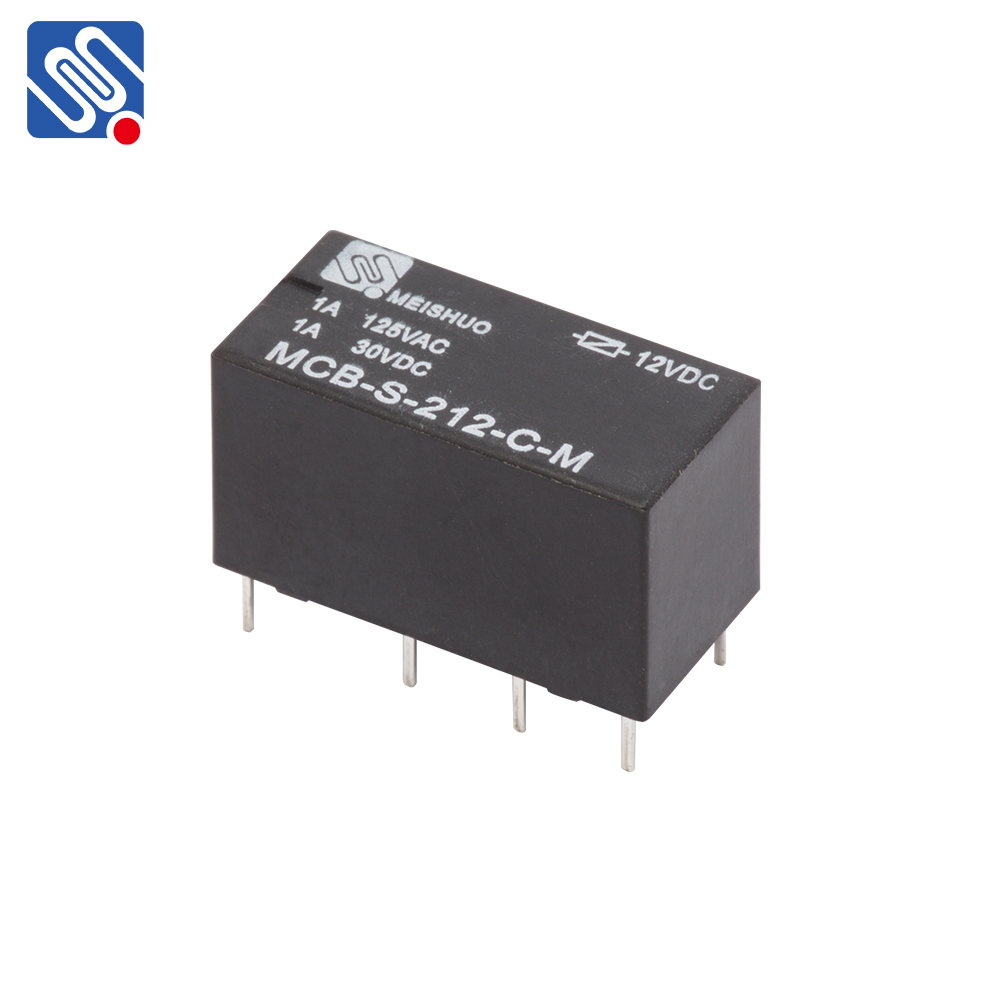
What are Relay Signals? Relay signals refer to the electrical signals used to control a relay, which is an electrically operated switch. A relay consists of an electromagnet (coil), a movable armature, and contacts that either close or open a circuit. When an electric current flows through the coil, it creates a magnetic field that attracts the armature, causing the contacts to change their state (open or close). This mechanism allows relay signals to control larger electrical devices using small control signals, enabling remote or automated operation of systems. Types of Relays and Their Signal Functions