Relays are fundamental components in electrical and electronic systems, serving as switches that control circuits by opening and closing contacts in response to electrical signals. Their versatility and reliability make them indispensable in applications ranging from household appliances to industrial automation and automotive systems. To select the right relay for a specific application, it is crucial to understand relay specifications, which define the operational limits and capabilities of these devices.
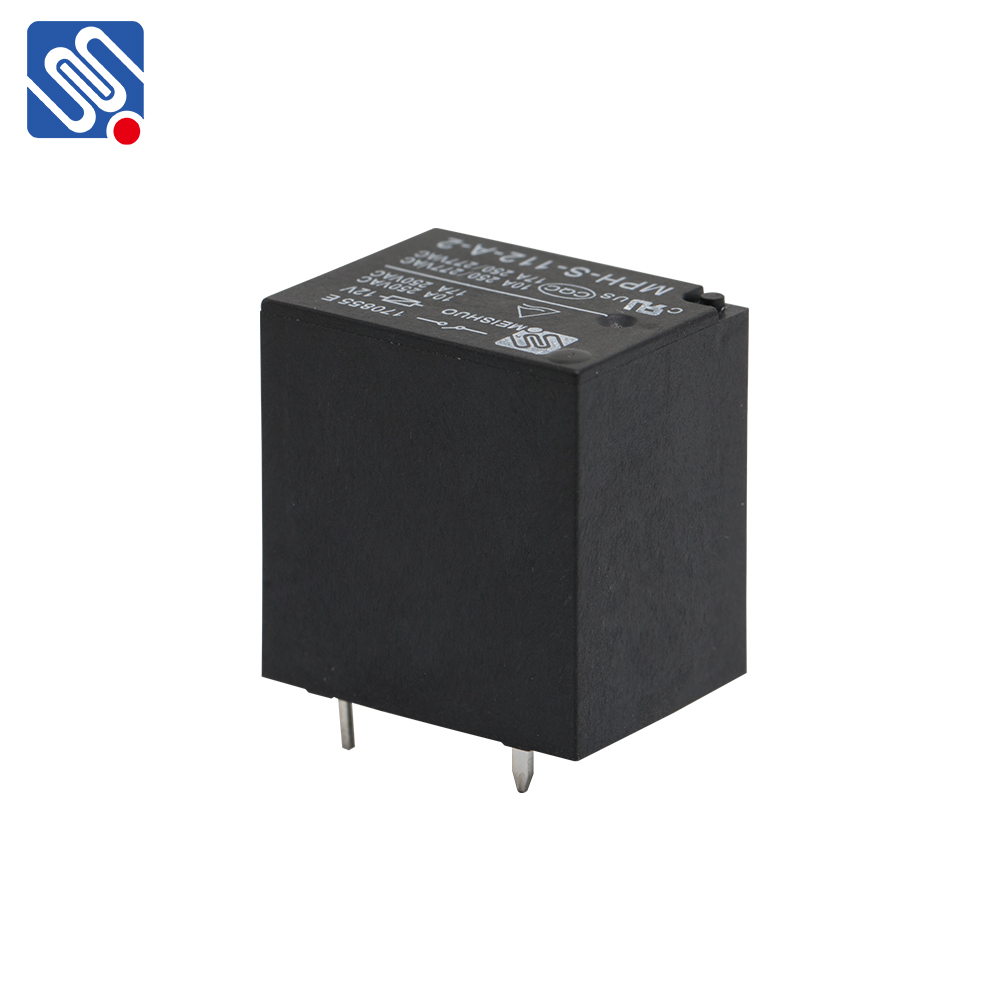
One of the primary specifications of a relay is its coil voltage. The coil voltage is the voltage required to energize the relay, typically ranging from low DC voltages such as 5V, 12V, or 24V, to higher AC voltages depending on the design. Ensuring that the control signal matches the coil voltage is essential for proper relay operation. Another critical aspect is the contact voltage rating, which indicates the maximum voltage that the relay contacts can safely switch without damage or failure. Equally important is the contact current rating, which defines the maximum current the relay can carry through its contacts. This parameter ensures that the relay can handle the load without overheating or welding the contacts. Relays are also categorized based on contact types, including normally open (NO), normally closed (NC), and changeover (SPDT or DPDT) configurations. Normally open contacts remain open when the relay is inactive and close when energized, whereas normally closed contacts function in the opposite manner. Changeover contacts provide switching between two circuits, offering flexibility for more complex control scenarios.