Relays are essential components in electrical circuits, serving as electrically operated switches that allow low-power signals to control high-power circuits. One of the critical factors that determine the proper functioning of a relay is the relay voltage. Understanding relay voltage is crucial for ensuring the reliability and effectiveness of a system. In this article, we will explore what relay voltage is, how it works, and its significance in various applications.
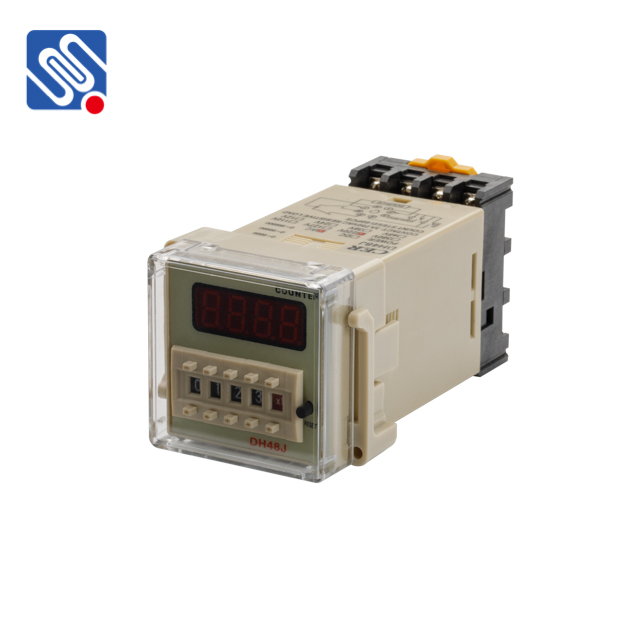
What is Relay Voltage? Relay voltage refers to the voltage applied to the relay coil to activate or deactivate the relay. The coil is the component within the relay that, when energized, creates a magnetic field that either attracts or repels the relay contacts, thus opening or closing a circuit. The voltage required to operate this coil is the relay voltage. Relays can be designed for various voltages depending on the needs of the circuit and the type of application. The most common relay voltages are 5V, 12V, and 24V for low-voltage systems, while some relays may operate with higher voltages like 110V or 220V, typically used in industrial applications.