Relays are integral components in electrical and electronic systems, providing a crucial interface for switching between circuits. One of the most important specifications to consider when selecting a relay is its voltage rating. The relay voltage rating defines the maximum voltage the relay can safely handle, both at the coil (for operation) and at the contacts (for switching). In this article, we will delve into the significance of relay voltage ratings and how they impact the safety and performance of relay systems.
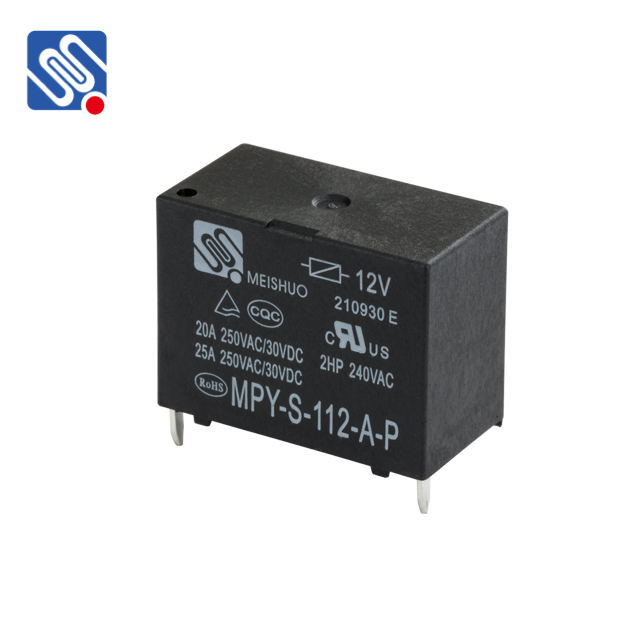
What is Relay Voltage Rating? The relay voltage rating refers to the maximum voltage that a relay can manage safely without risking damage or malfunction. It is typically split into two key categories: Coil Voltage Rating: This is the voltage applied to the relay coil to activate it. When a current passes through the coil, it generates a magnetic field that moves the relay’s switch. The coil voltage rating is critical in determining whether the relay will activate properly under the given supply voltage. Common coil voltages include 5V, 12V, 24V, and 48V DC or AC. Contact Voltage Rating: This refers to the maximum voltage that the relay contacts can handle when they are open or closed. This rating is crucial because it determines the voltage the relay can safely switch in a circuit. The contact voltage rating is often higher than the coil voltage rating and is typically divided into AC and DC voltage ratings. For instance, a relay might have a contact voltage rating of 250V AC or 30V DC, depending on its design.