Relay wiring is an essential concept in the world of electronics and electrical engineering, providing a means to control high-power devices using low-power signals. Whether you’re working on automotive systems, industrial machinery, or home automation, relays play a crucial role in switching electrical circuits on and off. In this article, we will explore the components of a relay, how relay wiring works, and its common applications.
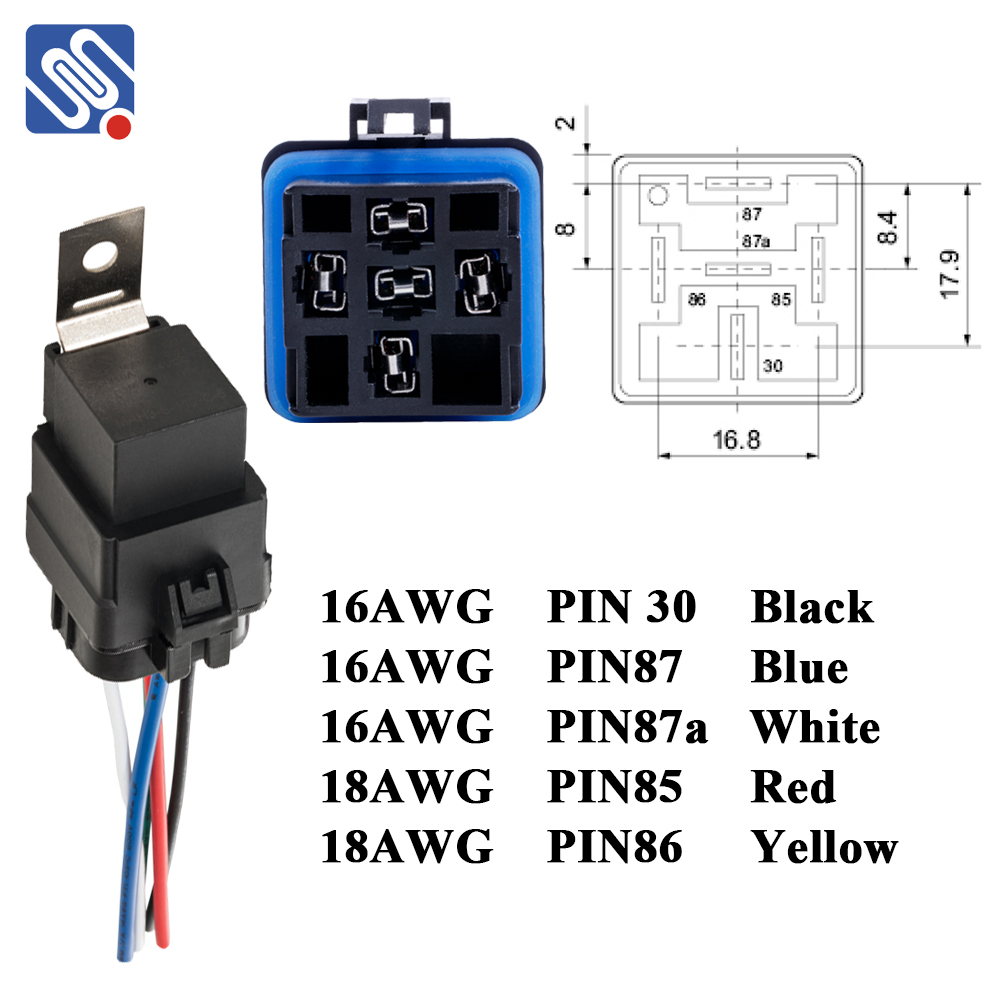
What is a Relay? A relay is an electrically operated switch that allows a low-power control signal to control a high-power circuit. It consists of several key components: Coil: The coil is an electromagnet that, when energized, generates a magnetic field. This magnetic field causes the relay’s armature to move. Armature: The armature is the movable part inside the relay that is attracted or repelled by the magnetic field generated by the coil. When the armature moves, it opens or closes the relay’s contacts. Contacts: The contacts are the parts that either allow or interrupt the flow of electricity in the controlled circuit. There are usually two types of contacts: