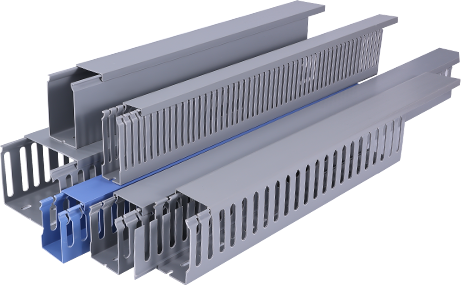
When planning or renovating a residential property, electrical infrastructure is one of the most critical components that directly impacts long-term safety, functionality, and property value. Among the less discussed but equally essential elements of this infrastructure is the residential electrical duct, a protective pathway that organizes and shields electrical wires running through walls, floors, ceilings, and underground installations. Many homeowners underestimate the role of a well-designed electrical duct system, focusing instead on outlet placement or appliance capacity, but poor duct selection or installation can lead to costly repairs, fire hazards, and compliance issues down the line. This guide breaks down the key functions, common types, and best practices for residential electrical duct systems to help homeowners and new contractors make informed decisions for their projects.
First, it is important to understand the core functions that a residential electrical duct serves beyond simply hiding wires. The primary role is protection: electrical wires, whether made of copper or aluminum, are vulnerable to physical damage from construction debris, moisture, rodent chewing, and impact from nearby home renovations. A durable duct creates a sealed barrier that prevents these external threats from damaging wire insulation, which is the first line of defense against electrical shorts and arc faults that can cause residential fires. Beyond protection, electrical ducts also organize wiring systems, making future maintenance, upgrades, or repairs much easier. Instead of fishing loose wires through wall cavities or ripping out drywall to access a faulty connection, electricians can simply pull new wires through existing ducts, reducing labor time and minimizing damage to finished home surfaces. This organization also reduces the risk of tangled wires that can trap heat, which is a common hidden hazard in older homes with unorganized electrical setups.
Secondly, choosing the right type of residential electrical duct depends heavily on the installation location and specific project requirements. The most common type used in indoor wall and ceiling cavities is rigid PVC duct, which is affordable, lightweight, and non-conductive, making it a safe choice for most general indoor applications. PVC ducts resist moisture and corrosion, so they work well in moderately humid areas like bathrooms and basements, though they are not recommended for exposed outdoor use where UV radiation can degrade the plastic over time. For exposed installations in garages, attics, or outdoor areas, galvanized steel duct is often the preferred option, as it offers superior physical strength, fire resistance, and UV protection. Flexible non-metallic ducts, made from corrugated plastic or rubberized materials, are ideal for curved pathways or tight spaces where rigid ducts cannot fit, such as around corners or between floor joists. For underground residential electrical lines that run from the street main to the home’s utility meter, heavy-duty polyethylene ducts are the industry standard, as they resist groundwater corrosion and soil pressure that can crush lighter materials.
Another key consideration for any residential electrical duct project is compliance with local building codes and safety standards. Most regional building codes set specific requirements for duct sizing, material ratings, and installation spacing to ensure that electrical wires do not overheat. For example, the National Electrical Code (NEC) in the United States specifies the maximum number of wires that can be installed in a duct of a given diameter, based on the wire gauge and insulation type, to prevent heat buildup that can degrade insulation over time. Homeowners attempting DIY electrical work often overlook these rules, stuffing too many wires into a small duct to save money, which creates a serious fire hazard. It is also important to ensure that ducts installed in fire-rated walls or ceilings maintain the fire-resistance rating of the structure, with proper sealing around duct openings to prevent the spread of smoke and fire in the event of an emergency. Working with a licensed electrician who is familiar with local codes is the best way to ensure your electrical duct system meets all safety requirements.
Additionally, long-term maintenance and future-proofing are often overlooked when installing residential electrical ducts. Many homes built before the 2000s were designed with electrical systems that only accommodated the energy needs of that era, and as households add more smart devices, electric vehicles, and high-power appliances, the demand for additional electrical circuits has grown dramatically. When installing new electrical ducts during a renovation, it is a smart investment to leave 20 to 30 percent of the duct space empty for future wiring additions, rather than filling it completely with current circuits. This simple step can save thousands of dollars in future renovation costs when you need to add new circuits for a home office, EV charger, or kitchen upgrade. Regular maintenance also includes inspecting exposed ducts in attics and garages for signs of damage, such as rust on steel ducts or cracks on PVC ducts, and repairing any damage before it leads to wire exposure or safety issues.
In conclusion, residential electrical duct is a foundational component of a safe, functional, and future-ready home electrical system. It provides critical protection for wiring, simplifies maintenance and upgrades, and reduces the risk of hidden safety hazards that can put your home and family at risk. By understanding the different types of ducts available, adhering to local building codes, and planning for future energy needs, homeowners can ensure their electrical duct system supports their current and future lifestyle while maintaining the highest standards of safety. Whether you are building a new home or renovating an older property, investing time and resources into a properly designed and installed electrical duct system is a choice that pays off for decades to come.