Reverse osmosis has become an essential technology in water purification, providing clean and safe drinking water to households and industries alike. One crucial component that plays an intricate role in this system is the reverse osmosis solenoid valve. This article delves into the functions, types, advantages, and maintenance of reverse osmosis solenoid valves, showcasing their importance in ensuring the efficiency and safety of water purification systems.
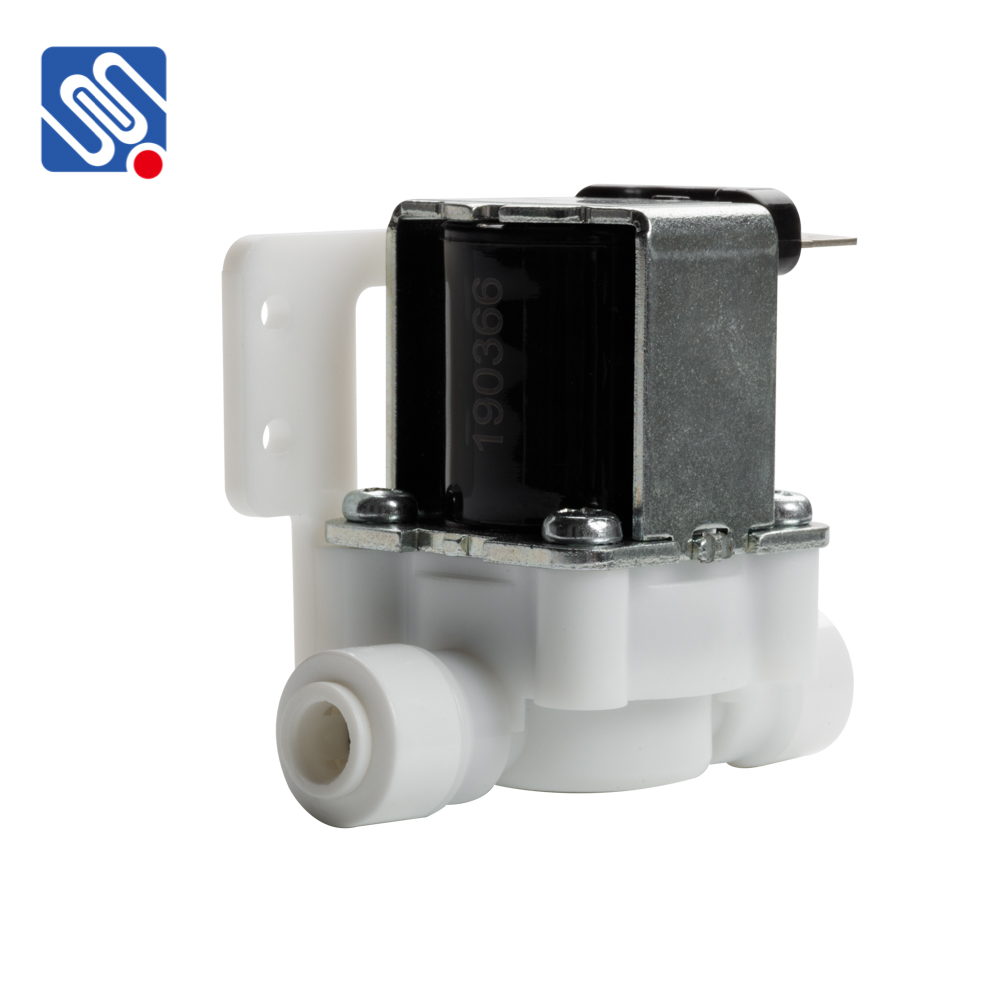
The Role of Reverse Osmosis Solenoid Valves At its core, the reverse osmosis solenoid valve is an electromechanical device that regulates the flow of water within the reverse osmosis (RO) system. It operates using an electromagnetic coil that, when energized, opens or closes the valve, controlling the flow of water. This crucial role enables the system to function seamlessly, ensuring that purified water is available for use while preventing waste and contamination. Solenoid valves serve various purposes in a reverse osmosis system, including: Flow Control: They manage the flow of water from the source into the RO unit, ensuring that the system receives the right amount of water for purification.