A RoHS Compliant Solenoid Valve is a crucial component in modern industrial applications, ensuring that the product complies with the European Union’s RoHS (Restriction of Hazardous Substances) Directive. The RoHS Directive restricts the use of certain hazardous substances in electrical and electronic equipment to reduce the environmental and health risks associated with their disposal and recycling. This article will explore the importance of RoHS compliance in solenoid valves, the benefits it provides, and why industries must prioritize environmental safety when selecting components for their operations.
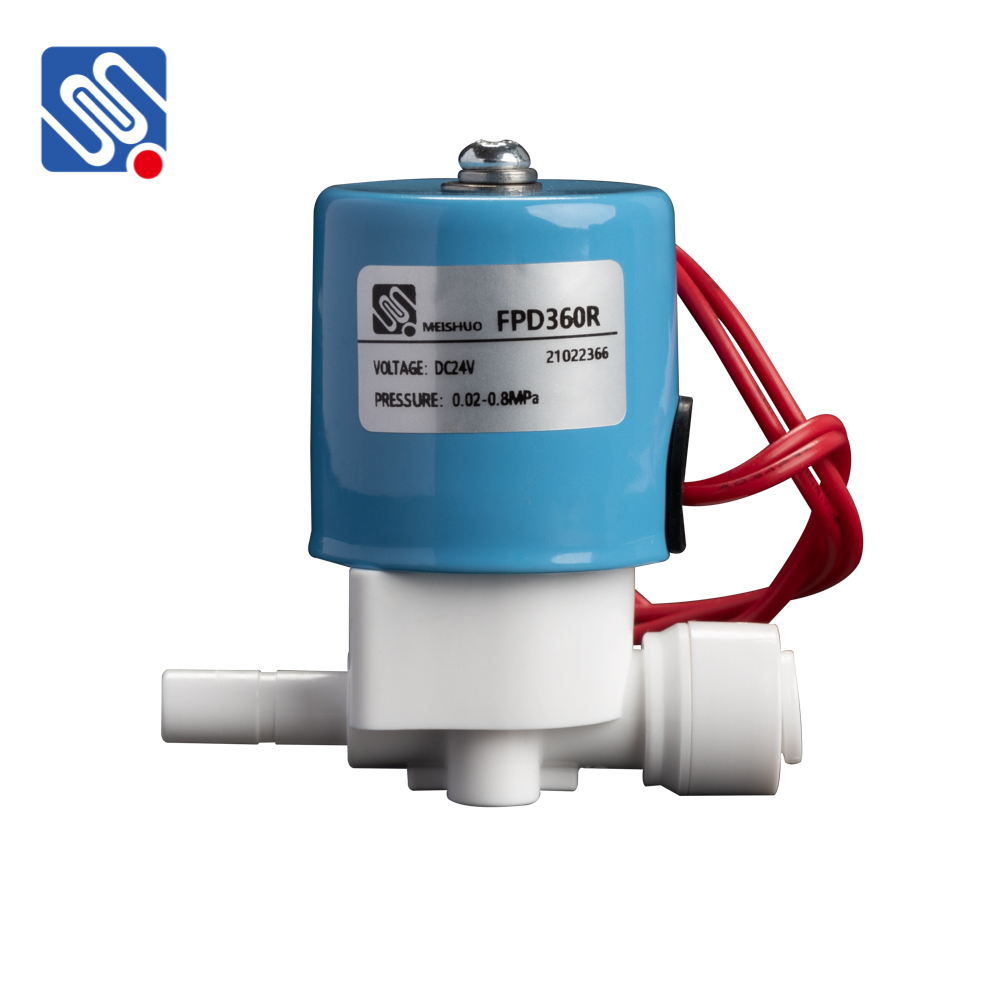
What is a Solenoid Valve? A solenoid valve is an electromechanical device that controls the flow of liquids or gases in a variety of applications. It operates using an electromagnetic coil, which, when energized, shifts the valve mechanism to either open or close, thereby controlling the flow of the fluid. Solenoid valves are widely used in industries such as manufacturing, HVAC (heating, ventilation, and air conditioning), water treatment, and automation. RoHS and its Impact on Solenoid Valves The RoHS Directive was introduced in 2003 by the European Union and aims to minimize the environmental impact of hazardous substances found in electrical and electronic products. The directive restricts the use of six dangerous substances: lead (Pb), mercury (Hg), cadmium (Cd), hexavalent chromium (Cr6+), polybrominated biphenyls (PBBs), and polybrominated diphenyl ethers (PBDEs).