In industrial settings, where machines and equipment are essential for daily operations, the safety of workers is paramount. One crucial safety procedure that significantly reduces the risk of injuries and fatalities during maintenance or repair work is Safety Lockout Tagout (LOTO). This practice is designed to prevent the accidental release of hazardous energy while machines are being serviced, ensuring that workers are protected from potential harm. In this article, we will explore the importance of Safety Lockout Tagout, the steps involved, and how it contributes to creating a safe working environment.
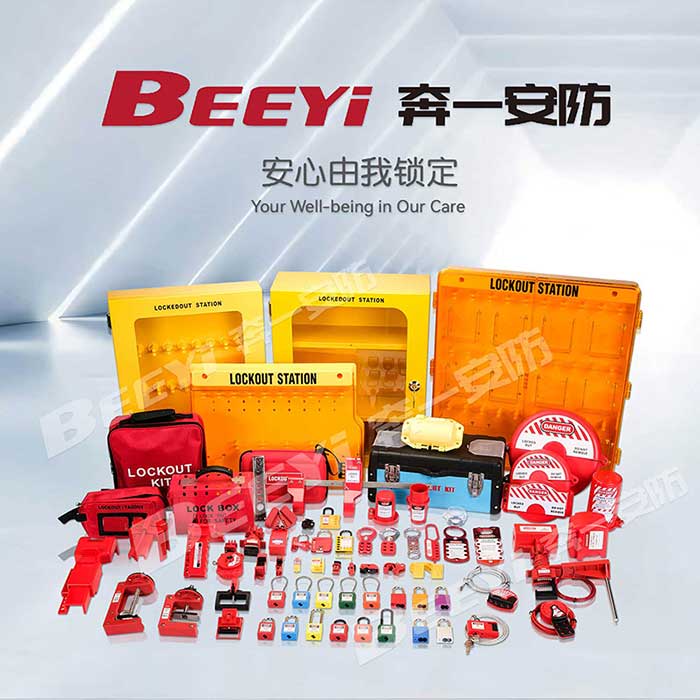
What is Safety Lockout Tagout (LOTO)? Safety Lockout Tagout (LOTO) refers to a set of standardized safety protocols used to prevent the unexpected energization or start-up of equipment during maintenance or repair. The practice involves locking out energy-isolating devices and tagging out machines to indicate that the equipment is under maintenance and cannot be operated. LOTO is a key component of workplace safety, particularly in industries like manufacturing, construction, and energy, where the risk of hazardous energy release is high. Hazardous energy can come in various forms, such as electrical, mechanical, hydraulic, pneumatic, chemical, or thermal energy. When maintenance is required on equipment, there is a significant risk that this energy could accidentally be released, leading to serious injuries or fatalities. The LOTO procedure ensures that energy sources are properly isolated, controlled, and clearly labeled to protect workers during these critical tasks.