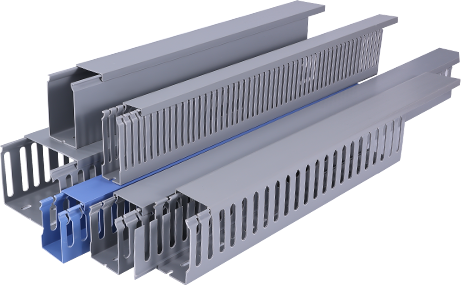
When designing and installing a solar energy system, many homeowners and installers focus heavily on panels, inverters, and mounting structures, often overlooking a critical component that keeps the system safe and functional: solar panel wiring duct. This specialized channel is designed to organize, protect, and route electrical wires running between solar panels, combiner boxes, and the inverter, addressing common challenges like weather exposure, physical damage, and safety hazards that come with exposed wiring. As solar energy adoption continues to grow globally, the importance of choosing the right wiring duct and installing it correctly has become more evident, as poor wire management can lead to system downtime, fire risks, and costly maintenance over the lifespan of the installation.
First, it is important to understand the core functions that solar panel wiring duct serves in a photovoltaic system. The primary role is cable organization: in a typical residential system, there can be dozens of DC cables connecting individual panels, and without a structured routing solution, these cables become tangled, making it difficult to diagnose issues or perform upgrades down the line. Beyond organization, wiring duct provides critical protection against environmental stressors that can degrade wiring insulation over time. Outdoor solar installations are exposed to extreme temperature fluctuations, UV radiation from the sun, rain, snow, and even damage from rodents or accidental impacts during maintenance. High-quality solar wiring duct is manufactured with UV-stabilized materials that resist cracking and brittling after years of sun exposure, preventing insulation damage that could lead to short circuits or ground faults. Additionally, wiring duct keeps cables elevated away from the roof surface, reducing moisture buildup that can cause corrosion on wire connectors.
Secondly, not all wiring duct is created equal, and selecting the right material and design for a solar installation depends on several key factors. The most common materials used for solar panel wiring duct are PVC, rigid ABS plastic, and aluminum, each with its own set of advantages for different use cases. PVC is the most affordable option, and modern UV-stabilized PVC offers good durability for most residential rooftop installations, making it a popular choice for budget-focused projects. Rigid ABS plastic offers higher impact resistance than PVC, making it ideal for ground-mount systems where wiring may be exposed to accidental contact from landscaping equipment or foot traffic. Aluminum wiring duct is the most premium option, offering superior heat dissipation, fire resistance, and longevity, making it a great choice for large commercial solar farms or installations in extreme climate zones with wildfire risk. When it comes to design, installers can choose between solid-wall duct and slotted duct; solid-wall provides maximum protection from moisture and pests, while slotted duct allows for better ventilation to prevent heat buildup that can reduce wire conductivity and efficiency.
Additionally, proper installation of solar panel wiring duct directly impacts the overall safety and performance of the entire solar system, and there are best practices that all installers should follow to ensure long-term reliability. One of the most common mistakes installers make is overcrowding the duct with too many cables, which restricts airflow and can lead to overheating, increasing the risk of insulation degradation and fire. Most manufacturers provide clear guidelines on the maximum fill capacity based on duct size, and adhering to these guidelines is critical for safety. Another key best practice is leaving adequate slack in cables at connection points to accommodate thermal expansion and contraction of the mounting structure, which prevents tension from damaging connectors or pulling wires loose over time. It is also important to use compatible mounting hardware that is designed to work with the wiring duct and the roof or mounting structure, using corrosion-resistant screws or clips to prevent rust that could weaken the installation over time. Finally, all wiring should be properly grounded in accordance with local electrical codes, and the wiring duct itself should be grounded if it is made of conductive material like aluminum to eliminate the risk of electric shock.
Furthermore, investing in high-quality solar panel wiring duct offers long-term cost benefits that often outweigh the initial upfront investment. While it may be tempting to cut costs by using generic, non-UV-stabilized ductwork, these low-quality alternatives typically need to be replaced within 5 to 10 years, requiring costly labor to access and re-route all wiring. In contrast, a high-quality solar-specific wiring duct can last 25 years or more, matching the expected lifespan of most modern solar panels. Proper wire management also reduces the time required for maintenance and troubleshooting, as technicians can quickly identify and access individual cables without untangling a mess of exposed wires. This not only lowers long-term maintenance costs but also reduces downtime when issues do arise, ensuring the system generates maximum energy over its lifespan. Additionally, proper wiring management that follows local building and electrical codes ensures the installation remains compliant, avoiding issues with home insurance claims or property sales in the future.
In conclusion, solar panel wiring duct is a small but essential component that plays a major role in the safety, reliability, and longevity of any solar energy system. By understanding its core functions, selecting the right material and design for your specific installation, following best installation practices, and investing in high-quality solar-specific products, you can avoid common issues that plague poorly managed wiring systems and protect your investment in renewable energy. Whether you are a homeowner planning a DIY installation or a professional installer looking to improve the quality of your work, prioritizing proper wiring duct selection and installation will pay off for decades through consistent energy production, lower maintenance costs, and peace of mind knowing your system is safe and compliant.