A Solid State Relay (SSR) is an electronic switching device that performs the same function as a mechanical relay but with no moving parts. Unlike traditional relays that use physical contacts to open or close a circuit, SSRs use semiconductor devices such as transistors, thyristors, or triacs to control the flow of electricity. This technology has revolutionized industrial and consumer applications by offering several key advantages over conventional electromechanical relays.
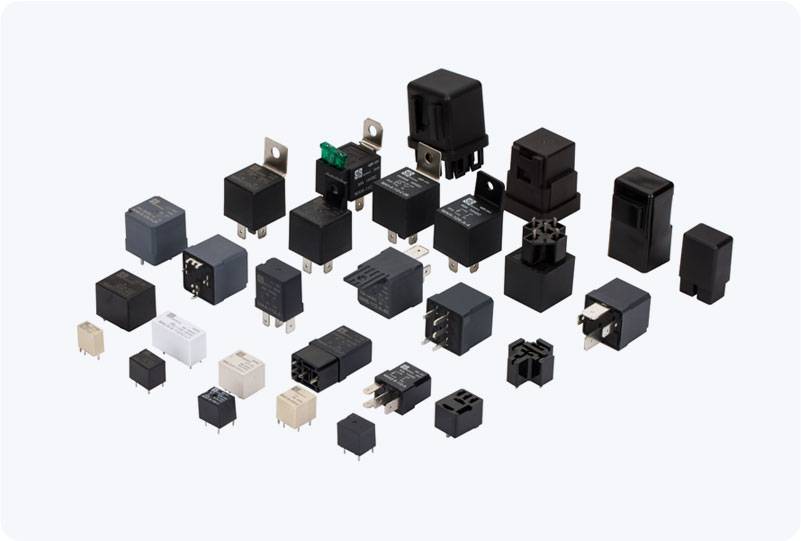
The Working Principle of Solid State Relays The core principle behind a Solid State Relay is the use of semiconductor materials to establish or break an electrical connection. When an input signal, usually low-voltage, is applied to the control side of the SSR, it activates a semiconductor device, such as an opto-isolator or a triac, on the output side. This results in the relay closing or opening the electrical circuit, allowing high-voltage and high-current to be controlled efficiently without the use of mechanical components. In essence, the SSR uses the photoelectric effect or other semiconductor switching mechanisms to provide an electrical connection, eliminating the wear and tear associated with mechanical relays. The absence of moving parts also means that SSRs are much faster and more reliable, making them suitable for high-speed switching operations.