Solid State Relays (SSR) have become an essential component in modern electronic systems, boasting a multitude of advantages over traditional electromechanical relays. As industries strive for efficiency, reliability, and longevity in their operations, SSRs have emerged as a preferred choice for various applications, particularly in automation, power control, and signal switching.
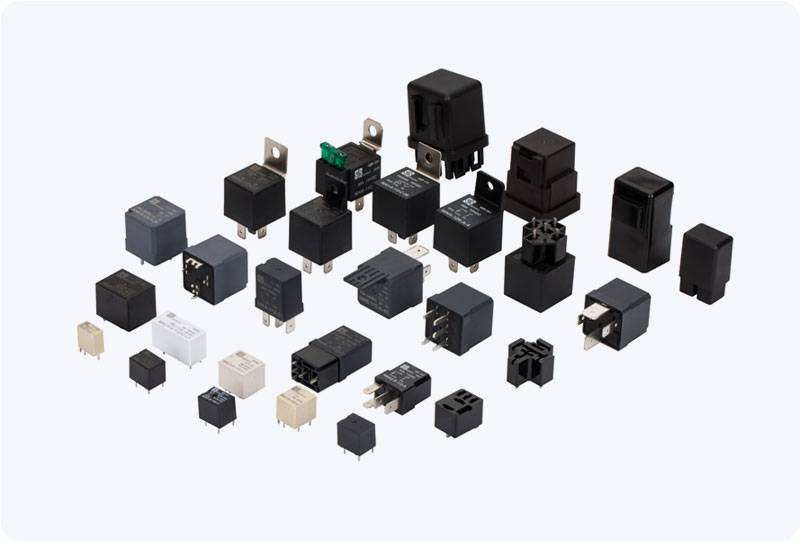
At its core, a Solid State Relay functions as an electrically operated switch, utilizing semiconductor devices—such as transistors, thyristors, and photodetectors—to control the flow of electrical power without any moving mechanical parts. This eliminates the wear-and-tear associated with traditional relays, offering a greater lifespan and reduced operational failures. The lack of mechanical components also contributes to their compact size, making SSRs ideal for applications where space is at a premium. One of the most significant advantages of Solid State Relays is their rapid switching speed. While traditional electromechanical relays may take milliseconds to switch on or off, SSRs can typically accomplish this in microseconds. This capability allows SSRs to effectively handle high-speed applications, such as those found in industrial automation and process control. For instance, in motor control systems, SSRs can manage on/off cycles with precision, reducing the risk of wear on the components being controlled.