In recent years, the demand for efficient, reliable, and fast electronic switching solutions has increased dramatically across various industries. One such solution that has gained significant popularity is the Solid State Relay (SSR). Unlike traditional electromagnetic relays, SSRs utilize semiconductor devices to perform switching functions without mechanical contacts. This article aims to provide an in-depth understanding of Solid State Relays, their working principles, advantages, and applications.
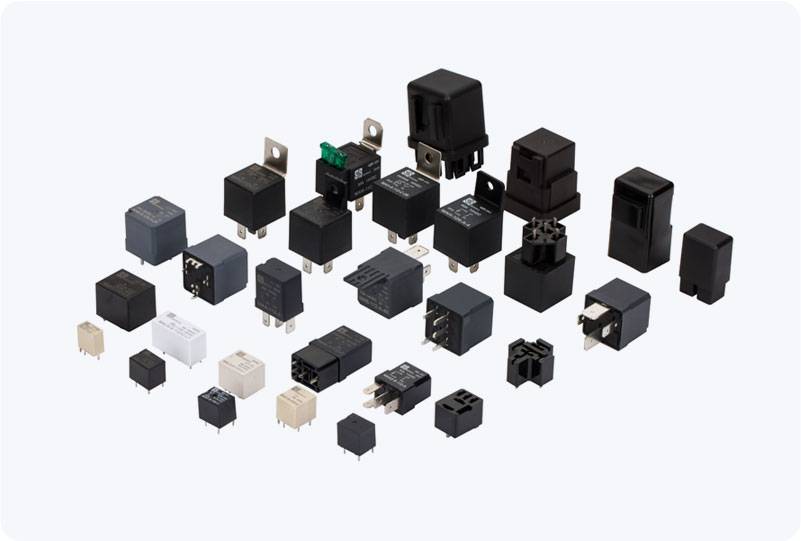
What is a Solid State Relay? A Solid State Relay is an electronic switching device that can open or close the circuit without any moving parts, effectively controlling the power to electrical loads. SSRs are typically composed of a control input circuit, an output circuit, and isolation between the two circuits. They can be controlled by low voltage signals, making them ideal for interfacing with microcontrollers and other low-power devices. The operating mechanism of an SSR generally involves the use of semiconductor components, such as transistors and optoisolators. Upon receiving a control signal, the SSR activates the output circuit. This electronic switching mechanism significantly reduces the wear and tear typically associated with mechanical switches, making SSRs an attractive option for various applications.