Solid State Relays (SSRs) have become an essential part of modern electrical systems, especially in applications requiring precise, reliable, and fast switching of electrical circuits. As technology continues to evolve, SSRs offer significant advantages over traditional mechanical relays, particularly in terms of durability, speed, and efficiency. This article will explore the basic principles, advantages, limitations, and applications of SSRs, shedding light on their growing importance in various industries.
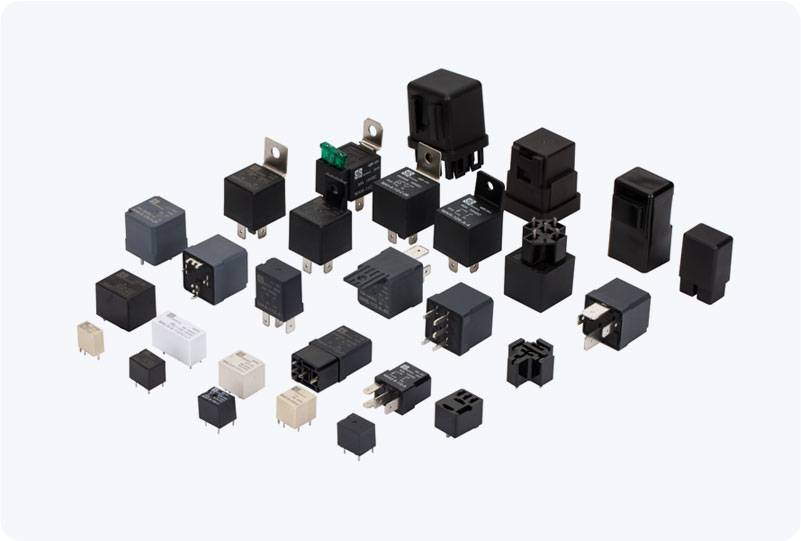
What is a Solid State Relay (SSR)? A Solid State Relay (SSR) is an electronic switching device that is used to control high-voltage power circuits using low-voltage control signals, without the use of moving mechanical components. Unlike conventional mechanical relays, which use metal contacts to open or close the circuit, SSRs rely on semiconductor devices such as triacs, thyristors, or phototransistors to perform the switching function. At its core, an SSR operates by using a low-voltage control signal (typically 3-32V) to trigger a semiconductor that allows or interrupts current flow to a higher voltage circuit. This switching process is entirely electronic, which eliminates the wear and tear associated with mechanical contacts in traditional relays. The key components of an SSR include the input control, isolation stage, and output switching mechanism.