Solid State Relays (SSRs) are an essential component in modern electrical and electronic systems, providing a reliable, fast, and durable solution for controlling power in various applications. Unlike traditional electromechanical relays (EMRs), which use physical contacts to open and close a circuit, SSRs utilize semiconductor components to achieve the same function. This article explores the working principle, benefits, types, and applications of SSRs, as well as why they have become a preferred choice in many industrial and commercial systems.
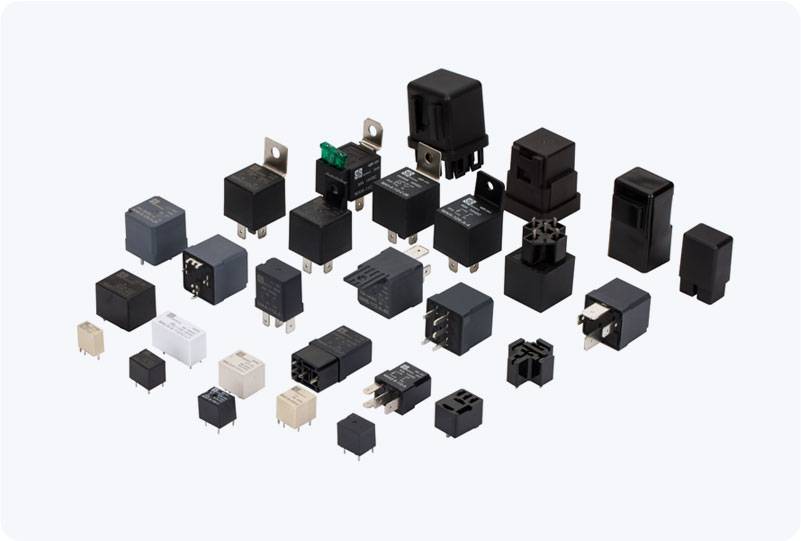
What is a Solid State Relay (SSR)? A Solid State Relay (SSR) is a type of relay that uses solid-state electronic components, such as opto-isolators, triacs, and thyristors, to perform the switching function. Unlike traditional relays that rely on moving mechanical contacts, SSRs use the ability of semiconductors to switch electrical signals without physical contact. This eliminates the mechanical wear and tear found in electromechanical relays, leading to longer lifespans and more reliable operation. The primary function of an SSR is to isolate control circuits (low voltage) from the power circuits (high voltage). It can switch electrical loads on and off without the need for mechanical parts, which makes it ideal for use in environments where reliability, speed, and efficiency are critical.