Solenoid valves are essential components in fluid control systems, regulating the flow of liquids and gases with the help of electromagnetic force. These valves are widely used across various industries for automation, regulation, and control. Among the many materials used to manufacture solenoid valves, stainless steel and plastic stand out as two of the most common choices, each offering unique benefits tailored to different applications. Understanding the differences, advantages, and typical uses of stainless steel and plastic solenoid valves can help businesses make informed decisions when selecting the right valve for their systems.
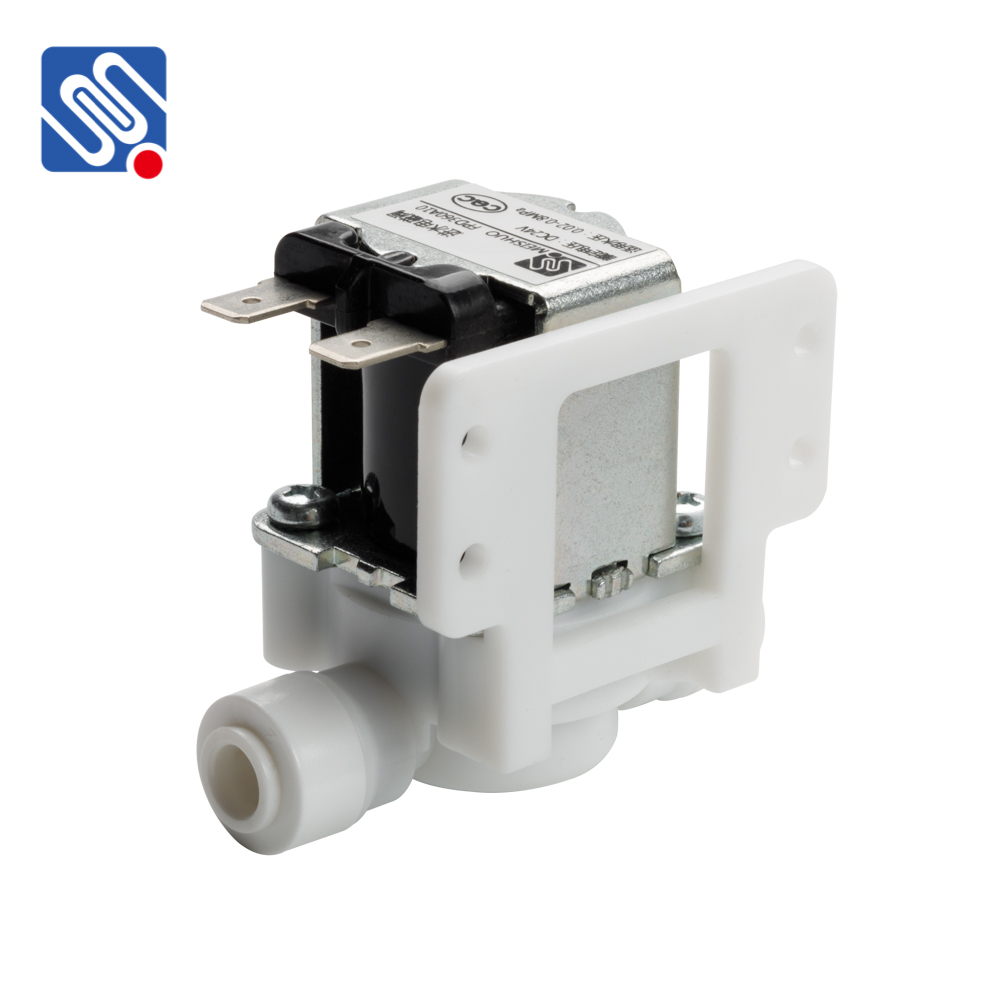
Stainless Steel Solenoid Valves: Durability and High-Performance Stainless steel solenoid valves are known for their durability and ability to withstand harsh environments. They are primarily used in high-pressure, high-temperature, and corrosive environments where reliability and strength are crucial. Stainless steel is an alloy that combines iron with chromium and, often, nickel, which gives it outstanding resistance to rust and corrosion. As a result, these solenoid valves are highly resistant to environmental stress, making them perfect for demanding applications. Advantages of Stainless Steel Solenoid Valves: