Temperature control relay is an essential device in various industrial and domestic applications, providing effective monitoring, regulation, and automation of temperature-controlled environments. As industries and technologies evolve, the demand for reliable temperature management systems has increased significantly. This article delves into the structure, working principles, applications, and key benefits of temperature control relays, highlighting their vital role in maintaining optimal operating conditions across diverse settings.
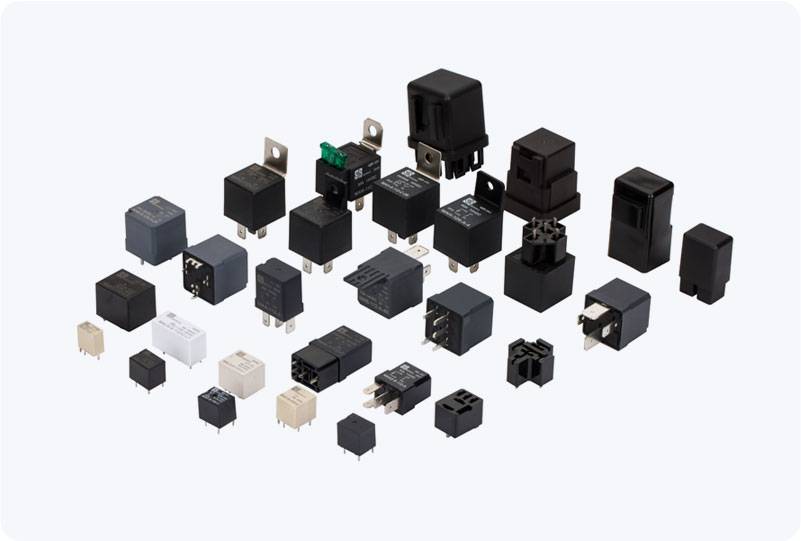
What is a Temperature Control Relay? A temperature control relay is an electronic device designed to monitor and control the temperature of systems or equipment. It plays a critical role in preventing overheating, freezing, or any condition that could result in equipment failure or damage. The relay typically consists of a temperature sensor, a control circuit, and an actuation mechanism, such as a relay or solid-state relay, that executes commands based on temperature readings. Components of a Temperature Control Relay Temperature Sensor: This is the primary component responsible for detecting temperature changes. Common types include thermocouples, thermistors, and resistance temperature detectors (RTDs). These sensors convert temperature variations into electrical signals, relayed to the control circuit.