The 12V 100A relay is a crucial component in modern electrical systems, especially when managing high-current loads in automotive, industrial, and renewable energy applications. This relay is designed to handle substantial amounts of electrical current while providing reliable switching, making it an indispensable tool for engineers, hobbyists, and technicians alike. Understanding its structure, functionality, and proper usage can significantly improve both safety and efficiency in any electrical project.
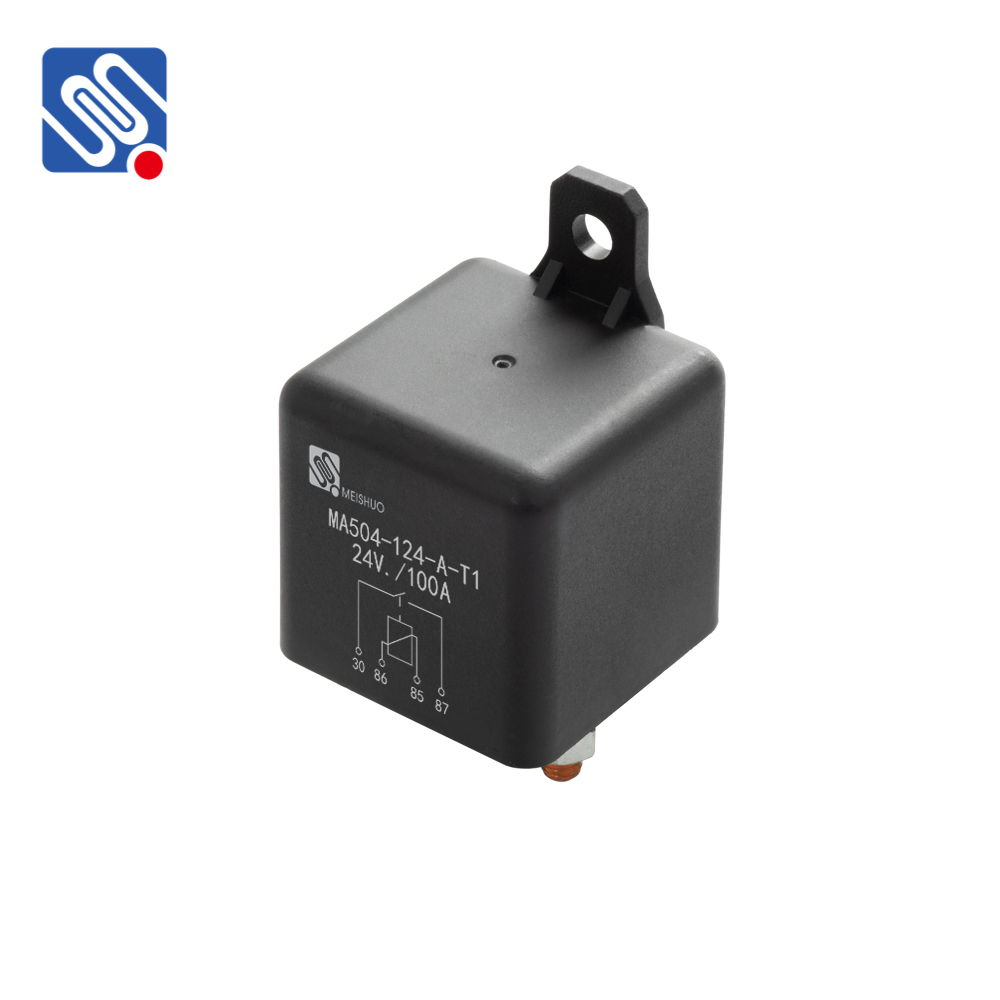
At its core, a 12V 100A relay consists of two main parts: the coil and the contacts. The coil operates at 12 volts DC, which is standard for most automotive and low-voltage industrial systems. When the coil is energized, it generates a magnetic field that moves the contacts to complete or break a high-current circuit. The contacts of this relay are rated for 100 amps, allowing it to control devices and loads that draw significant power, such as electric motors, large lighting systems, and battery banks. One of the key advantages of the 12V 100A relay is its ability to separate the control circuit from the high-current load. This separation ensures that low-power switches or electronic control units can safely operate devices that would otherwise require heavy-duty wiring and switches. For example, in automotive applications, the relay allows a small dashboard switch to control a starter motor or high-power lighting system without the switch itself carrying dangerous levels of current.