The 12V 40A relay is a vital component in various electrical applications, particularly in automotive and industrial settings. This electromagnetic switch allows for the control of high-power devices using relatively low-power signals, making it an indispensable tool for engineers, hobbyists, and automotive technicians. In this article, we will explore the working principles, features, applications, and considerations when selecting and using a 12V 40A relay.
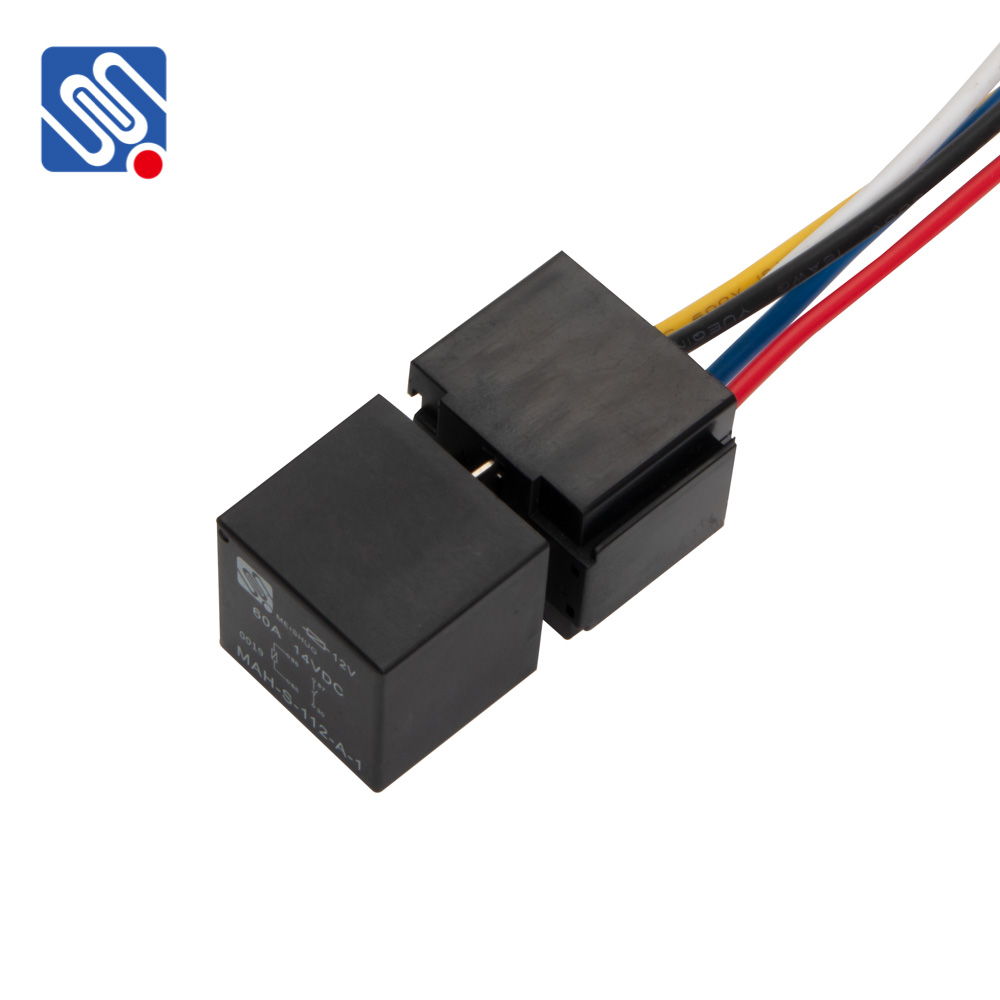
Working Principle At its core, a relay is an electromechanical device that uses an electromagnet to open or close contacts in a circuit. When an electrical current flows through the coiled wire of the relay (the coil), it generates a magnetic field that pulls a movable armature towards it. This movement effectively closes the circuit associated with the relay’s contacts—a process often described as “energizing” the relay. Once the signal to the coil is removed, the spring mechanism returns the armature to its original position, opening the circuit. The 12V 40A relay specifically operates on a DC voltage of 12 volts, commonly found in automotive systems. The 40A rating indicates that this relay can handle loads up to 40 amperes, making it suitable for controlling high-power devices like motors, lights, and heating elements.