Relays are essential components in modern electrical and electronic systems, acting as switches to control high-power circuits with low-power signals. Among the wide range of relay options available, the 12V 40A relay stands out due to its versatility and ability to handle high current loads. This article explores the working principles, applications, and key features of the 12V 40A relay, and why it’s a go-to choice for various industries, especially in automotive and industrial settings.
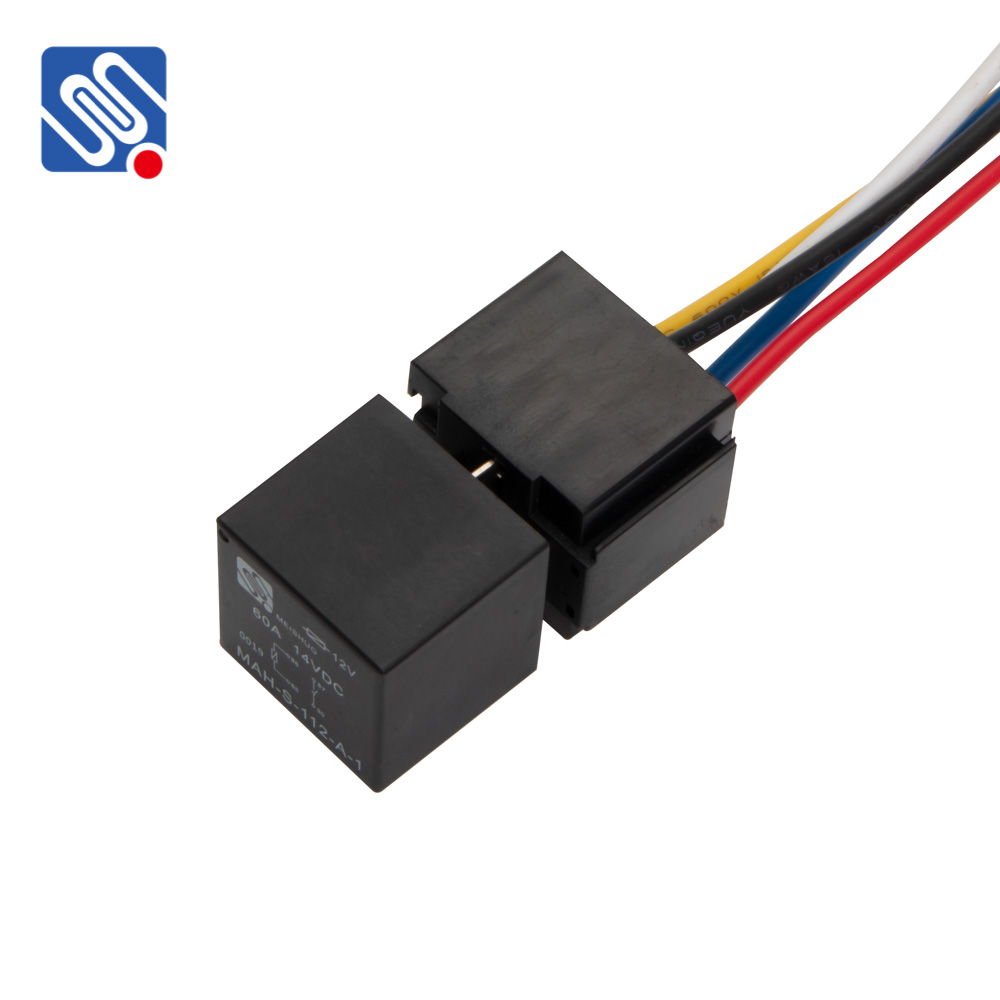
What is a 12V 40A Relay? A 12V 40A relay is an electromechanical switch that operates on a 12V DC (direct current) signal and is designed to control electrical circuits that draw up to 40 amps of current. The relay uses a low-power control signal to activate a higher-power circuit, allowing a small current to control devices that require significantly more power. The relay is typically composed of a coil, a set of contacts, and a switching mechanism that is activated by the coil. How Does a 12V 40A Relay Work? At the heart of a 12V 40A relay is an electromagnet (the coil). When a 12V voltage is applied across the coil, it generates a magnetic field that moves the relay’s internal switch (the armature). The armature then either closes or opens the contacts, depending on the type of relay (normally open or normally closed). This action allows current to flow through a connected high-power circuit, such as a motor, light, or other equipment that requires a substantial amount of current.