Relays are essential components in various electrical systems, enabling the control of high-power circuits using low-power signals. The 12V 40A relay is one such device, designed to handle higher current loads while operating with a 12-volt control signal. This article will explore the key features, applications, and advantages of the 12V 40A relay, shedding light on why it is widely used in automotive, industrial, and residential systems.
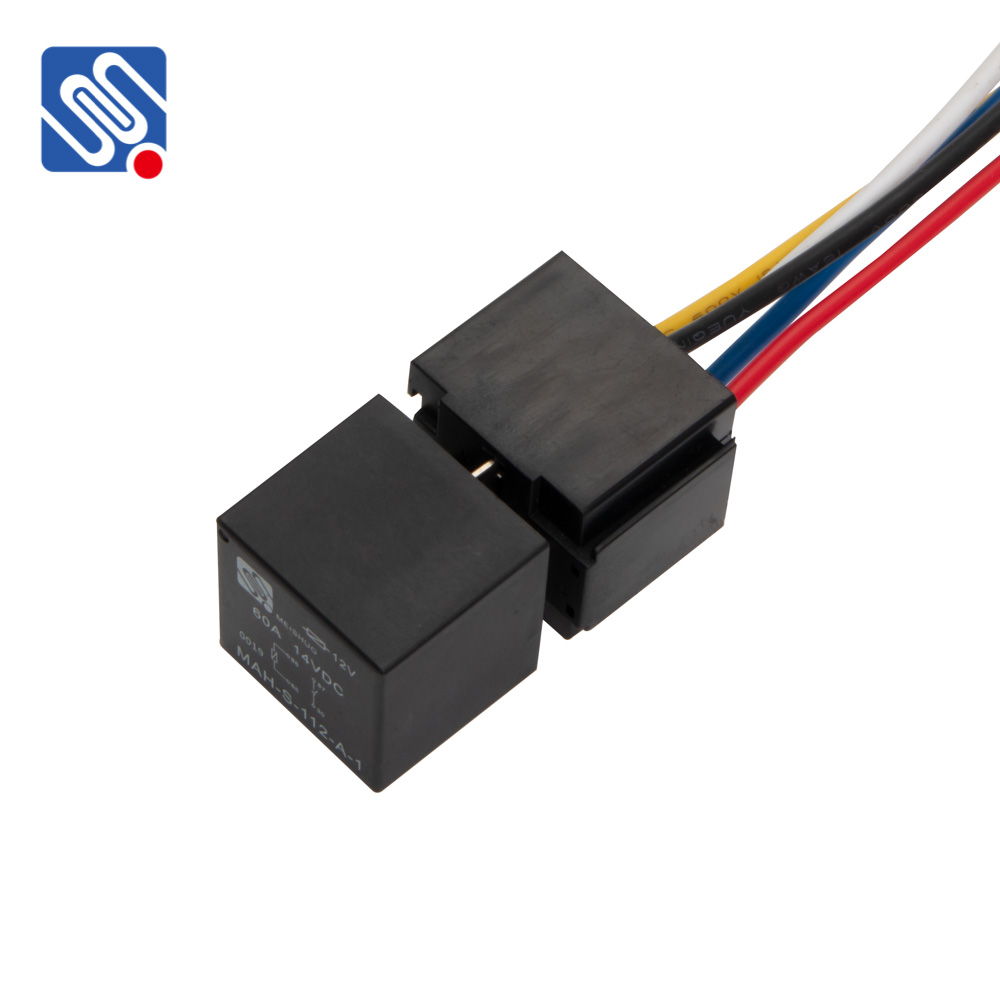
What is a 12V 40A Relay? A 12V 40A relay is an electromechanical switch that uses a low voltage (12V) control signal to operate larger electrical circuits with higher current ratings, up to 40 amps. This type of relay is ideal for controlling devices that require a high amount of electrical power, such as motors, heating elements, and other heavy-duty equipment, without the need for direct manual switching. The relay operates through the interaction of an electromagnet and a set of mechanical contacts. When the control voltage (12V) is applied to the coil, it creates a magnetic field that moves the contacts, either opening or closing the circuit. This simple mechanism allows a low-power signal to control a high-power load with ease.