A 12V 40A relay is an essential component used in various electrical systems, especially in industries and automobiles, where it plays a pivotal role in controlling high-power devices with low-power control signals. In this article, we will explore the fundamental aspects of the 12V 40A relay, including its features, working principles, and the wide range of applications where it proves to be indispensable.
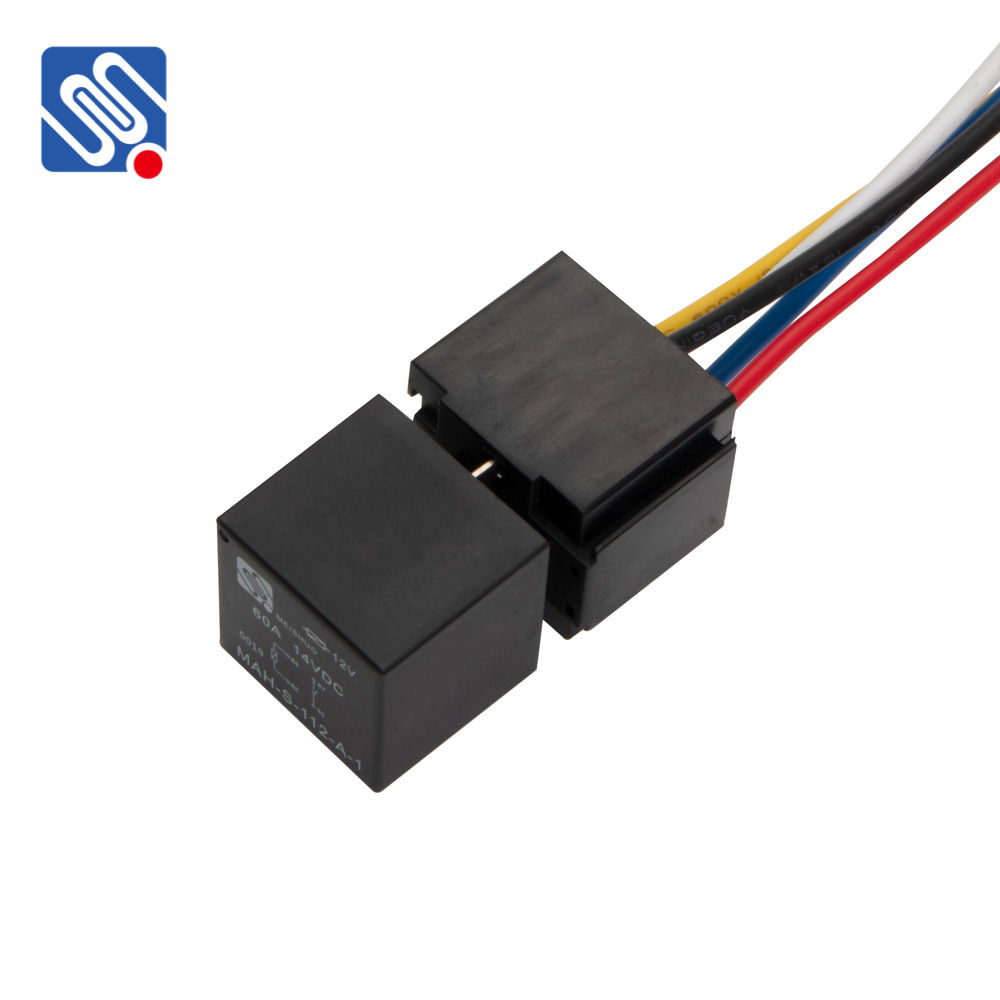
What is a 12V 40A Relay? A 12V 40A relay is an electrically operated switch that allows a low voltage circuit (12V DC) to control a high current load, often as high as 40 amps. The relay consists of an electromagnet (coil), contacts, and a mechanical armature. When current flows through the coil, it generates a magnetic field that pulls the armature, closing or opening the contacts to control the circuit. The main advantage of using a relay like the 12V 40A model is that it enables a system to handle high-power devices using lower power control signals. This functionality is crucial for ensuring the safe and efficient operation of many electrical systems.