The 12V automotive relay is a pivotal component in modern vehicle electrical systems, providing an essential control mechanism for various high-power electrical devices. Whether it’s headlights, fuel pumps, or power windows, automotive relays ensure that these systems operate efficiently and reliably. In this article, we will explore the fundamental aspects of the 12V automotive relay, delve into its function and applications, and highlight the benefits it brings to automotive technology.
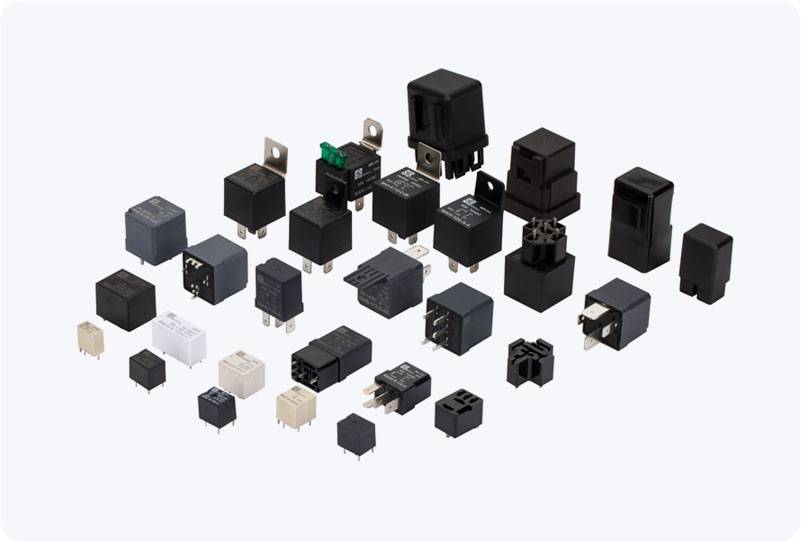
What is a 12V Automotive Relay? At its core, a relay is an electrically operated switch that uses an electromagnet to mechanically operate a switching mechanism. The 12V automotive relay is designed specifically for vehicles and operates on a standard voltage of 12 volts, which is the typical voltage for most automotive electrical systems. Relays come in various configurations, but the most common types used in automotive applications are Single Pole Single Throw (SPST) and Double Pole Double Throw (DPDT). How Does It Work? The operation of a 12V automotive relay involves an electromagnetic coil and sets of contacts. When a low-power control signal (from switches or electronic control units) is applied to the coil, it generates a magnetic field that attracts a movable armature. This movement closes or opens the contacts, thus completing or breaking the electric circuit for high-power devices. This mechanism allows a small amount of current to control a much larger current without direct electrical connection, providing insulation and safety for sensitive electronics.