The 220V AC relay is an essential component in electrical engineering and automation, serving as a crucial interface between low-voltage control signals and high-voltage operational circuits. Relays enable the control of high-power devices from a safe distance, facilitating a wide array of applications from household appliances to industrial machinery. This article aims to provide an in-depth understanding of the 220V AC relay, its operational mechanisms, benefits, and its diverse applications.
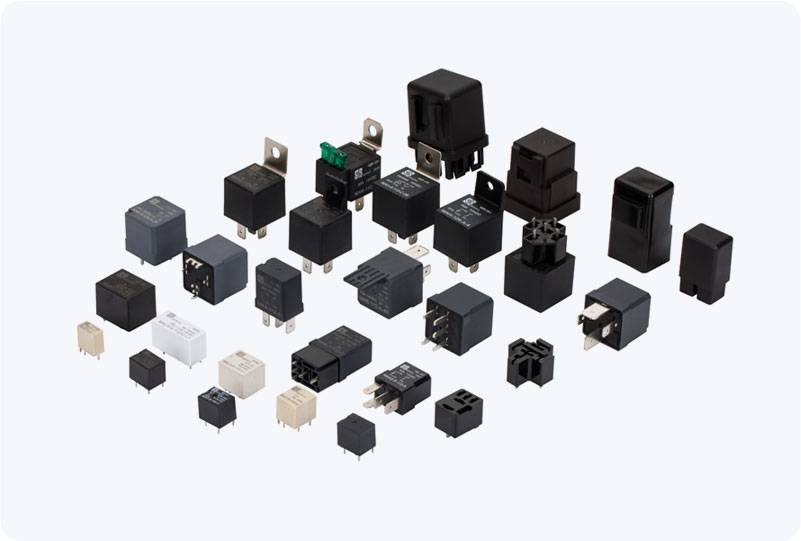
What is a 220V AC Relay? A 220V AC relay is an electromechanical switch activated by an electric current. When voltage is applied to the relay’s coil, it generates a magnetic field that moves a metal armature, creating an opening or closing action with the relay’s contacts. In essence, it allows a low power input to control a larger power output, making it an essential device in electric circuits. Relays can handle a variety of voltages and currents, but 220V AC relays specifically cater to alternating current applications and are commonly found in regions where this voltage is standard in household and industrial power supply systems.