Relays are essential components in electrical and electronic systems, offering reliable control for high-power devices. Among them, the 24V 10A relay is one of the most commonly used types, primarily known for its versatility in controlling larger electrical loads. This article delves into the significance, features, applications, and considerations of the 24V 10A relay, shedding light on its role in modern electrical systems.
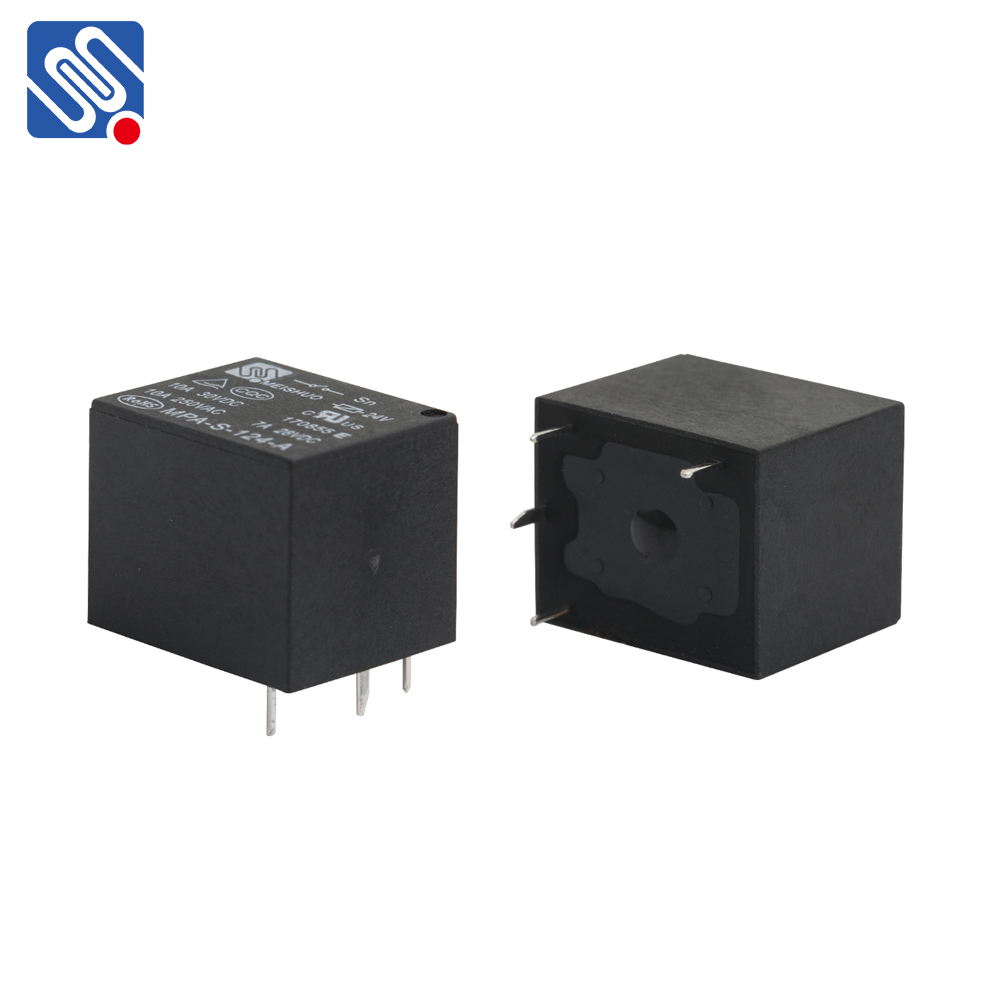
What is a 24V 10A Relay? A relay is an electrically operated switch that uses an electromagnet to open or close one or more sets of contacts. The 24V 10A relay is a specific type that operates with a 24V direct current (DC) input, capable of handling up to 10 amperes of current on its output side. This makes it ideal for controlling high-power devices, such as motors, solenoids, lighting systems, and other equipment that requires more power than the relay’s control circuit can directly provide. Key Features of the 24V 10A Relay Operating Voltage: The most significant characteristic of a 24V 10A relay is its operating voltage. The 24V input voltage, typically provided by a DC power source, energizes the coil within the relay. When the coil is energized, it creates a magnetic field that actuates the switch mechanism, either opening or closing the contacts.