Relays are essential components in electrical and electronic systems, allowing low-voltage circuits to control higher-voltage ones. Among various relay types, the 24V 10A relay stands out as a reliable option for controlling loads requiring moderate power. This article delves into the features, working principle, and applications of the 24V 10A relay, offering insights into why it is a popular choice for both industrial and consumer-grade devices.
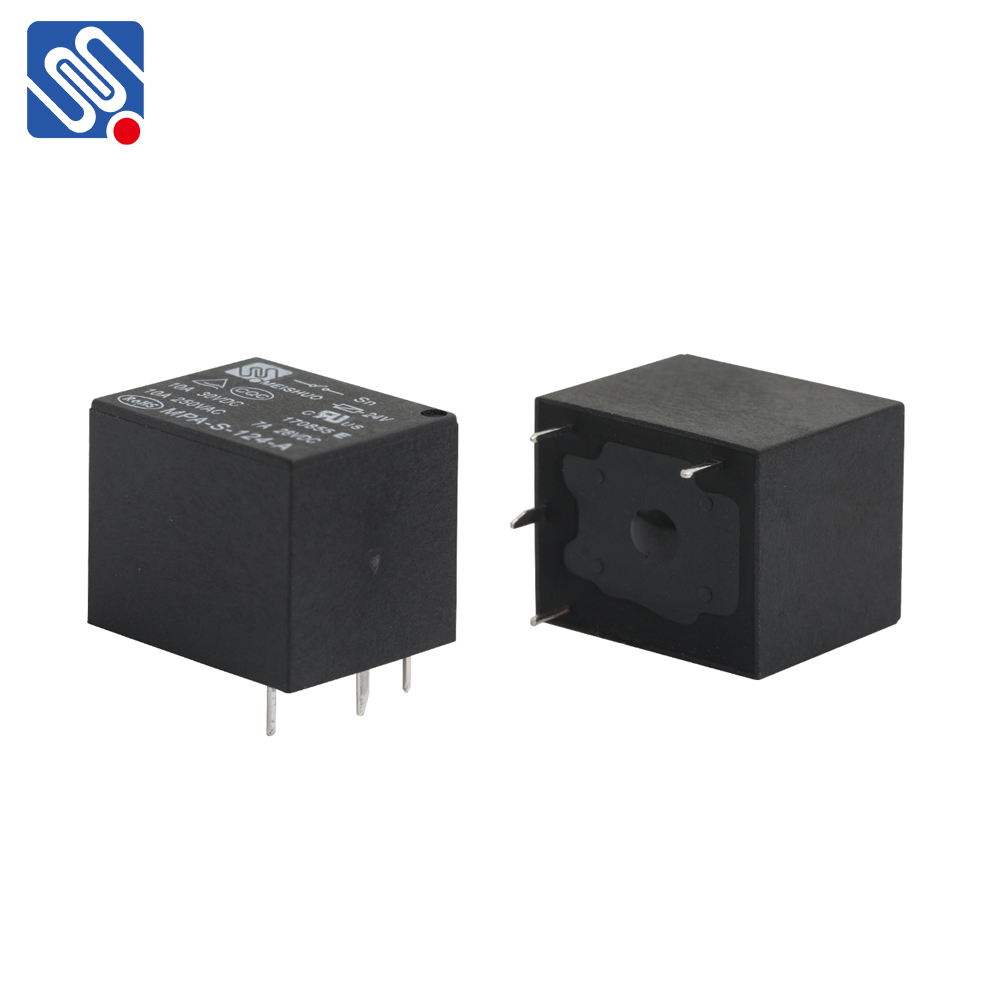
What is a 24V 10A Relay? A 24V 10A relay is an electromechanical switch that uses a 24V DC (direct current) input to control a circuit carrying up to 10A of current. It is composed of two main sections: the coil and the contact. When an electric current is passed through the coil, it generates a magnetic field that either opens or closes the relay’s contacts. This process allows a low-power signal to control a high-power circuit without the need for direct electrical connection between the two. The relay’s main specification, “24V” and “10A”, indicates the operating voltage and current capacity of the device. The 24V is the voltage required to energize the coil, while the 10A refers to the maximum current that the relay’s contacts can safely handle when controlling a load. This makes the 24V 10A relay ideal for switching moderate to high-power devices.