The 24VDC relay is an essential component in many low-voltage electrical systems, widely used in automation, control, and protection applications. This article delves into the principles, applications, advantages, and considerations involved in selecting and using a 24VDC relay in various electrical systems.
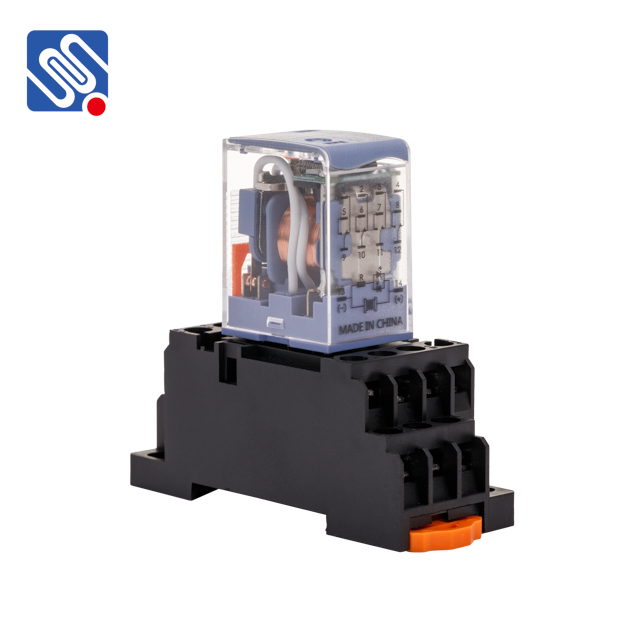
What is a 24VDC Relay? A 24VDC relay is an electrical switching device that operates on a 24-volt direct current (DC) supply. It is designed to control a circuit by using an electromagnetic mechanism, allowing it to either open or close the contacts in a circuit. The relay consists of a coil, contacts, and an armature. When the 24V DC voltage is applied to the coil, it generates a magnetic field that pulls the armature, causing the contacts to either close or open, depending on the relay’s design. The main function of a relay is to isolate and control circuits with different voltages or to switch high-power loads with a low-power control signal. In the case of a 24VDC relay, the coil is powered by a 24V DC input, but the relay contacts may control high-voltage AC or higher current circuits.