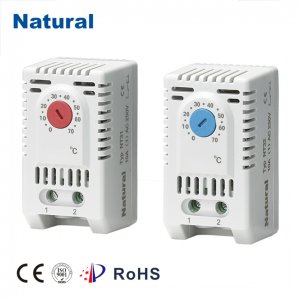
The adjustable mechanical thermostat has long been a cornerstone in temperature regulation within various settings, from residential heating systems to industrial applications. Its mechanical nature and straightforward operation have made it a reliable choice for many users, despite the growing popularity of digital and smart thermostatic controls. This article explores the features, benefits, working principles, and applications of adjustable mechanical thermostats, shedding light on why they remain relevant in today’s technological landscape.
The Basic Working Principle
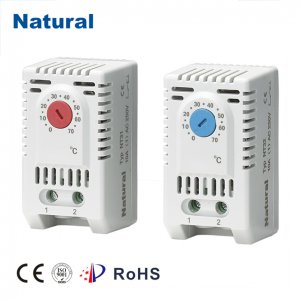
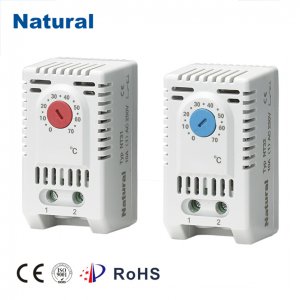
At its core, the adjustable mechanical thermostat operates on a simple physical principle, usually involving a bimetallic strip or a gas-filled diaphragm. The bimetallic strip consists of two different metals bonded together, which expand at different rates when subjected to changes in temperature. As the temperature rises or falls, the strip bends and triggers an electrical circuit, opening or closing it to activate the heating or cooling system accordingly. This reliable mechanism has remained largely unchanged over the years, standing the test of time. Key Features Manual Adjustability: One of the standout features of an adjustable mechanical thermostat is the ability for users to manually set their desired temperature. The user interface typically consists of a simple dial or slider that allows for easy adjustment. This intuitive design ensures that anyone can operate it without requiring extensive technical knowledge.