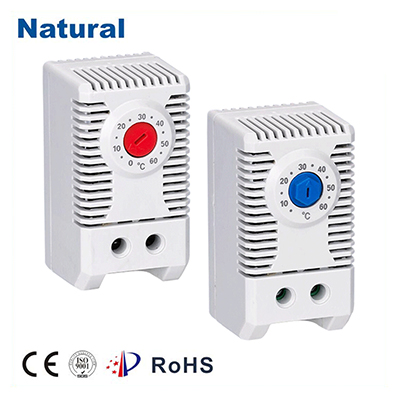
The automatic temperature control thermostat is a pivotal device in modern heating, ventilation, and air conditioning (HVAC) systems, significantly contributing to energy efficiency and comfort in homes and workplaces. This technology has evolved dramatically over the years, moving from simple mechanical devices to sophisticated smart systems that offer a range of functionalities. In this article, we will delve into what automatic temperature control thermostats are, how they work, their types and features, and their benefits.
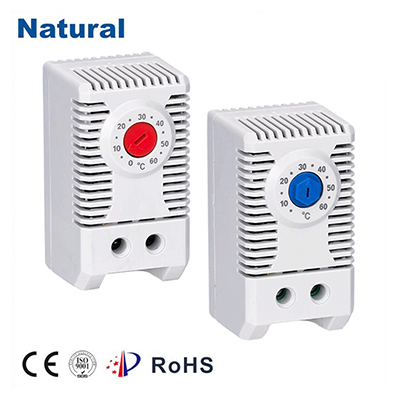
What is an Automatic Temperature Control Thermostat?
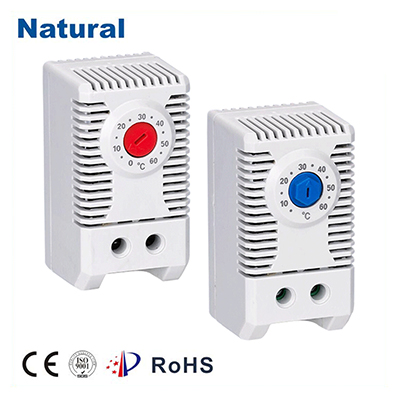
An automatic temperature control thermostat is a device designed to monitor and regulate the temperature of a specified environment automatically. Its primary purpose is to maintain a comfortable indoor climate without the need for constant manual adjustments. The device achieves this by turning heating or cooling systems on or off based on the current temperature compared to the user-defined setpoint. How Does It Work? The basic working principle of an automatic temperature control thermostat involves several key components: Temperature Sensors: Equipped with sensors that continuously measure the ambient temperature, the thermostat determines whether it falls below or exceeds the desired setpoint.