Automotive electrical systems have become increasingly complex over the years, integrating a variety of components designed to enhance performance, safety, and reliability. One such essential component is the automotive relay for headlights. A small yet powerful device, this relay plays a pivotal role in managing the power supply to the headlights, ensuring smooth operation while also protecting other electrical components from overload. In this article, we will explore the importance, functionality, and types of automotive relays for headlights, along with considerations for choosing the right relay for your vehicle.
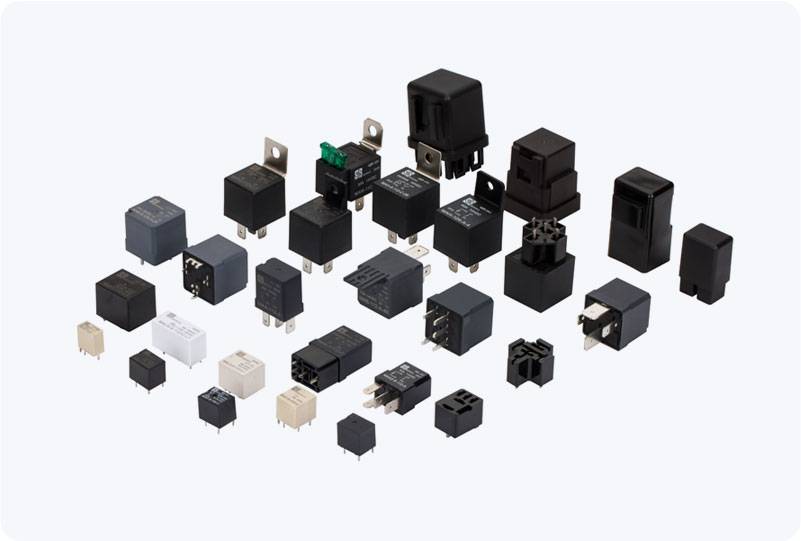
What is an Automotive Relay for Headlights? At its core, an automotive relay is an electrically operated switch that uses a small current to control a larger current. For headlights, the relay acts as an intermediary between the vehicle’s lighting circuit and the headlight switch. The switch in the car cabin only controls a small current to trigger the relay, which in turn manages the higher current required to power the headlights. Headlights, especially in modern vehicles, often require significant electrical power. If a standard switch were to handle this load directly, it would eventually wear out or fail due to the constant high current flow. The relay prevents this by handling the heavy lifting, thus protecting the switches and wiring from wear and tear, as well as reducing the risk of electrical fires.