A relay circuit is an essential component in electrical and electronic systems, enabling the control of large currents with smaller control signals. By using the principles of electromagnetism, relays act as switches that can open or close a circuit, making them fundamental in automation, protection, and control systems. This article explores the working principles, types, and applications of relay circuits, shedding light on how they are used in modern electrical systems.
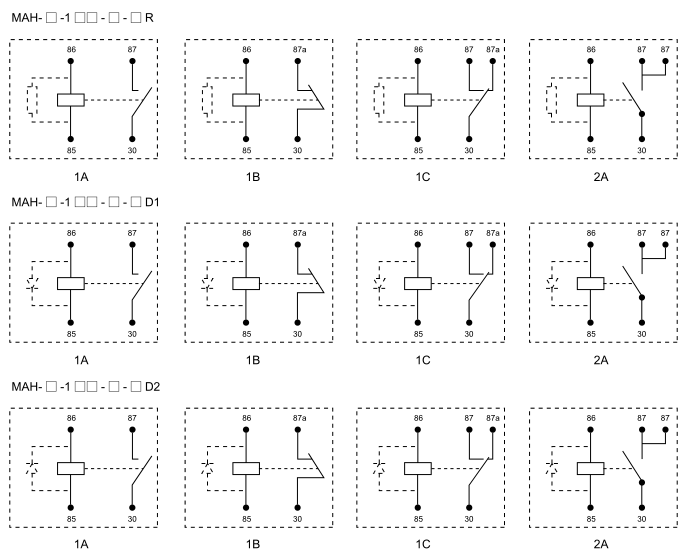
What is a Relay? A relay is an electrical switch that uses an electromagnet to mechanically operate a set of contacts. When a small current flows through the coil of the relay, it generates a magnetic field that attracts or repels a metal armature. This movement either opens or closes the relay’s contacts, allowing or interrupting the flow of current in the external circuit. Relays are designed to handle various voltages and currents, making them suitable for a wide range of applications. Working Principle of a Relay Circuit At the heart of a relay circuit lies the electromagnet, which is powered by a small input current. This current flows through a coil of wire, creating a magnetic field. The coil is positioned close to a metal armature, which is attached to one or more contacts. When the coil is energized, the magnetic field pulls the armature, causing the contacts to change state.