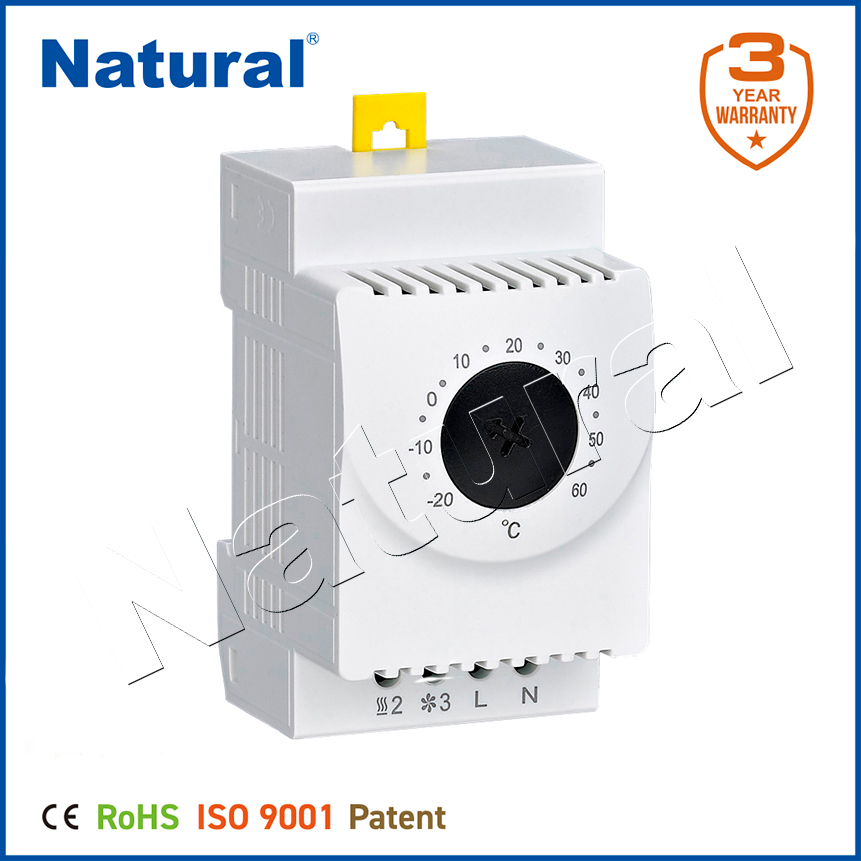
An electronic thermostat is an advanced temperature control device designed to maintain and regulate the temperature of a specific environment, appliance, or system. Unlike traditional mechanical thermostats, which often rely on bimetallic strips or other mechanical components, electronic thermostats use digital sensors, microprocessors, and sophisticated software to achieve precise temperature control. These modern devices have become an essential part of many residential, commercial, and industrial applications, offering significant benefits in terms of energy efficiency, convenience, and accuracy.
The Basics of Electronic Thermostats
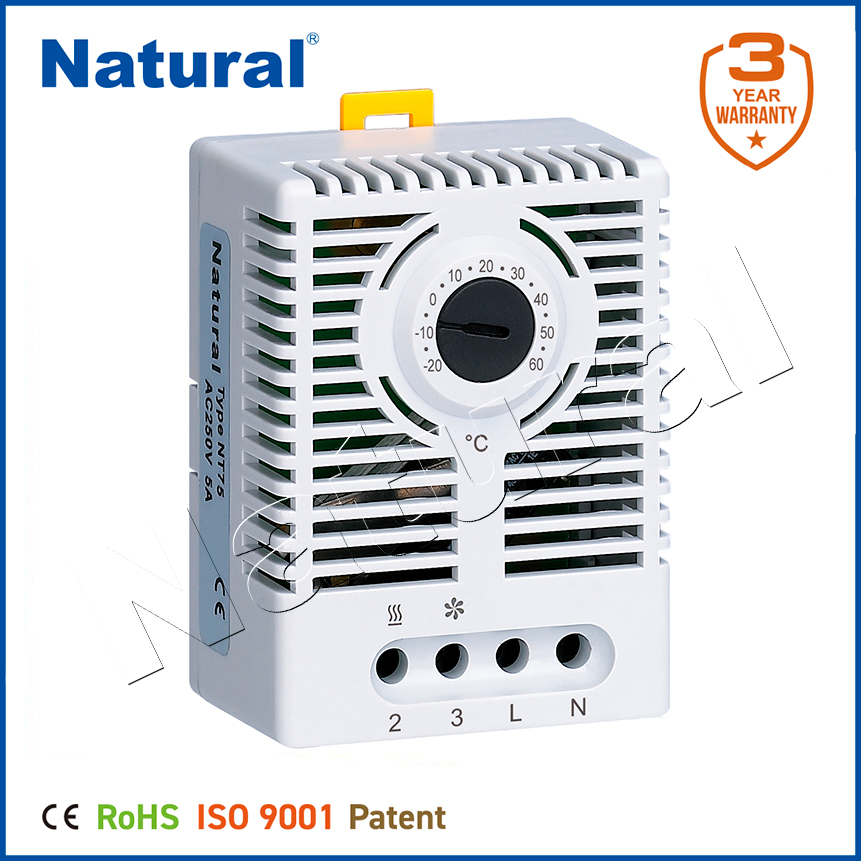
At its core, an electronic thermostat operates by sensing the ambient temperature and comparing it to the preset temperature. When the temperature deviates from the set point, the thermostat triggers a heating or cooling system to correct the discrepancy. The key difference between electronic thermostats and their mechanical counterparts lies in the digital technology used for sensing and controlling the temperature. Most electronic thermostats come with an easy-to-read digital display that shows the current temperature and allows users to set their desired temperature. These devices often feature buttons or touchscreens for quick adjustments and configuration, making them user-friendly. Some models even allow for remote control through smartphone apps or integration with smart home systems, further enhancing user convenience.