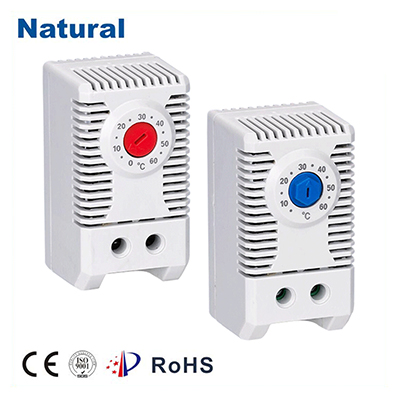
A bimetal thermostat is a simple yet highly effective temperature control device that has been used for decades in various industries, from household appliances to industrial machinery. Its design and operation rely on the unique properties of bimetallic strips, which are metal components made of two distinct metals with different coefficients of thermal expansion. This article will explore the working principles, applications, advantages, and limitations of bimetal thermostats, highlighting their essential role in maintaining temperature stability in a variety of systems.
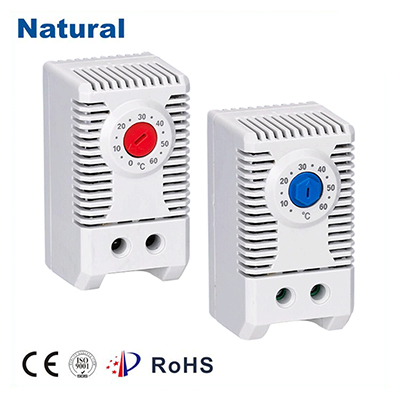
1. What is a Bimetal Thermostat?
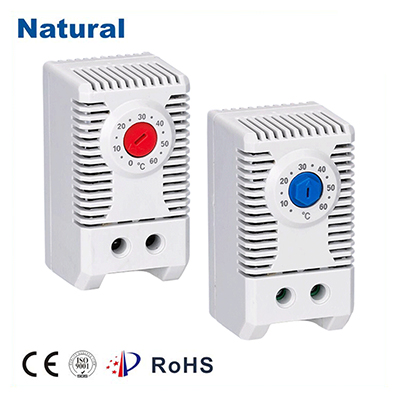
A bimetal thermostat is a temperature-sensitive device that controls the operation of electrical circuits by responding to changes in temperature. The heart of the bimetal thermostat is a bimetallic strip, which consists of two metals bonded together. These metals are chosen for their distinct thermal expansion properties. When exposed to temperature fluctuations, the two metals expand or contract at different rates, causing the strip to bend or curve. This bending action is harnessed to either open or close an electrical circuit, thereby turning a heating or cooling device on or off, depending on the set temperature. Bimetal thermostats are commonly found in appliances such as refrigerators, air conditioners, ovens, and water heaters, as well as in industrial machines where temperature regulation is crucial.