The Cooling System Relay is a crucial component in modern vehicles and industrial machinery. It plays a significant role in managing the temperature of an engine or machine by controlling the cooling system components like fans, pumps, and coolant flow. As engines and industrial machines operate, they generate significant heat, and without an efficient cooling system, they would quickly overheat, causing severe damage. The Cooling System Relay ensures that the cooling system operates efficiently when needed and shuts off when temperatures return to normal. In this article, we’ll dive deeper into the Cooling System Relay, how it works, and why it’s essential for your engine or machinery.
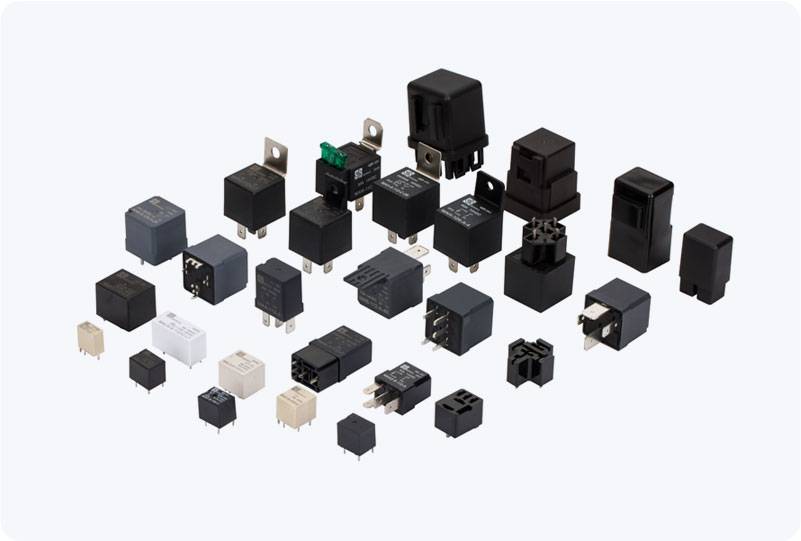
What is a Cooling System Relay? A Cooling System Relay is an electrical switch that controls the operation of a cooling system’s components, such as a radiator fan or water pump, based on temperature readings from sensors within the system. In most cases, the relay receives an input signal from the temperature sensor, which detects when the engine or equipment reaches a critical temperature. Once the relay receives this signal, it activates or deactivates the cooling system, maintaining the desired operating temperature and preventing overheating. While it’s often a small and seemingly simple part, the Cooling System Relay is integral to the overall performance and longevity of both automotive and industrial systems. Without this relay, the cooling system could fail to activate at the right time, leading to overheating, which could result in engine failure or damage to sensitive components.