A DC Solenoid Valve is a vital device used in various fluid control applications, relying on direct current (DC) electrical power to operate. It is essential in automating fluid systems, particularly in industries that require precise control over fluid flow. Whether in pneumatic systems, water treatment, or industrial automation, the DC solenoid valve plays an indispensable role in improving efficiency and performance. This article explores the fundamental aspects, working principles, applications, and advantages of the DC solenoid valve.
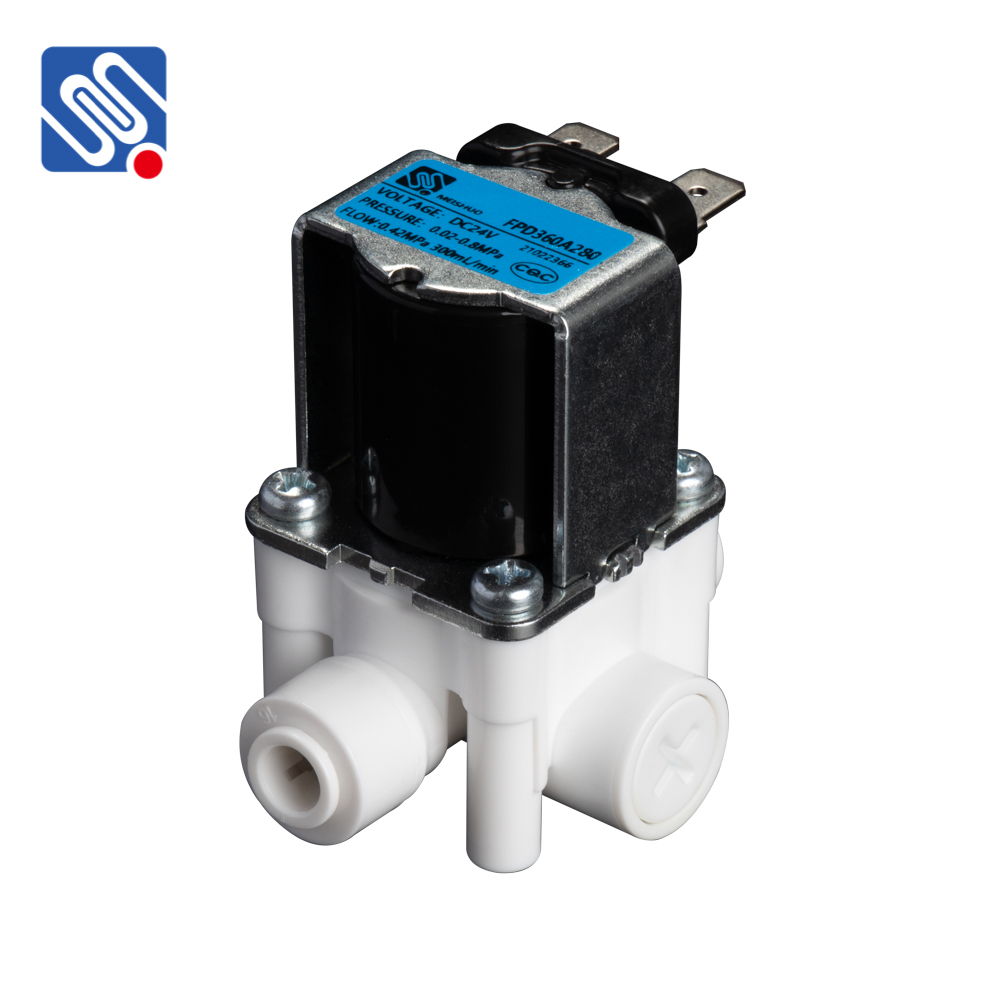
What is a DC Solenoid Valve? A DC solenoid valve is a type of electromagnetic valve that is activated by a direct current electric signal. It controls the flow of liquids or gases in pipelines or mechanical systems by using a solenoid—a coil of wire that generates a magnetic field when an electric current passes through it. This magnetic field moves a plunger or armature within the valve, either opening or closing the valve to control the flow of the fluid. Unlike their AC counterparts, DC solenoid valves are powered by direct current, which means they require a consistent voltage supply, typically 12V or 24V, making them ideal for low-voltage systems and battery-operated applications. DC solenoid valves come in various types, such as normally closed (NC) or normally open (NO), depending on the desired flow control mechanism.