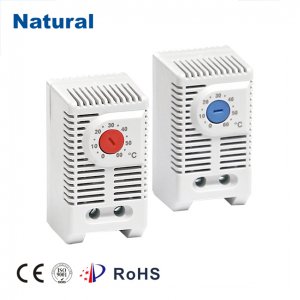
A differential thermostat is a vital device in various heating, cooling, and temperature regulation systems. Its ability to maintain a consistent temperature difference between two points makes it indispensable in applications ranging from home heating systems to industrial processes. By accurately sensing and responding to temperature changes, a differential thermostat ensures that environments remain within set temperature ranges, optimizing energy usage and providing precise control. This article explores the working principle, applications, and advantages of differential thermostats, illustrating their importance in modern temperature control technologies.
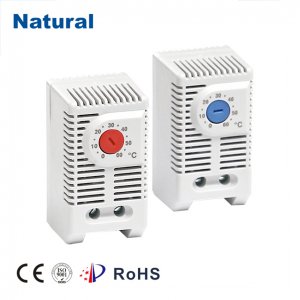
What is a Differential Thermostat?
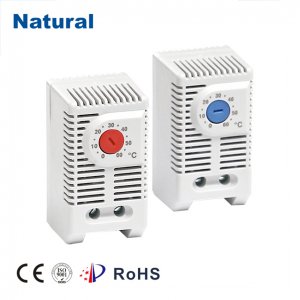
A differential thermostat is a type of temperature control device that works by sensing the temperature difference between two separate locations or elements. Unlike standard thermostats, which turn heating or cooling systems on or off based solely on the temperature of a single environment, differential thermostats rely on the comparison of temperatures across multiple points. The most common configuration involves two temperature sensors—one located in the environment that needs to be controlled and another located at a reference point. The thermostat monitors the temperature difference (or “differential”) between the two and activates or deactivates the heating or cooling system accordingly.