Direct acting solenoid valves are essential components in various automation and control applications, serving as crucial links in fluid and gas management systems. This article delves into the intricacies of direct acting solenoid valves, exploring their design, operation, advantages, and applications in modern industries.
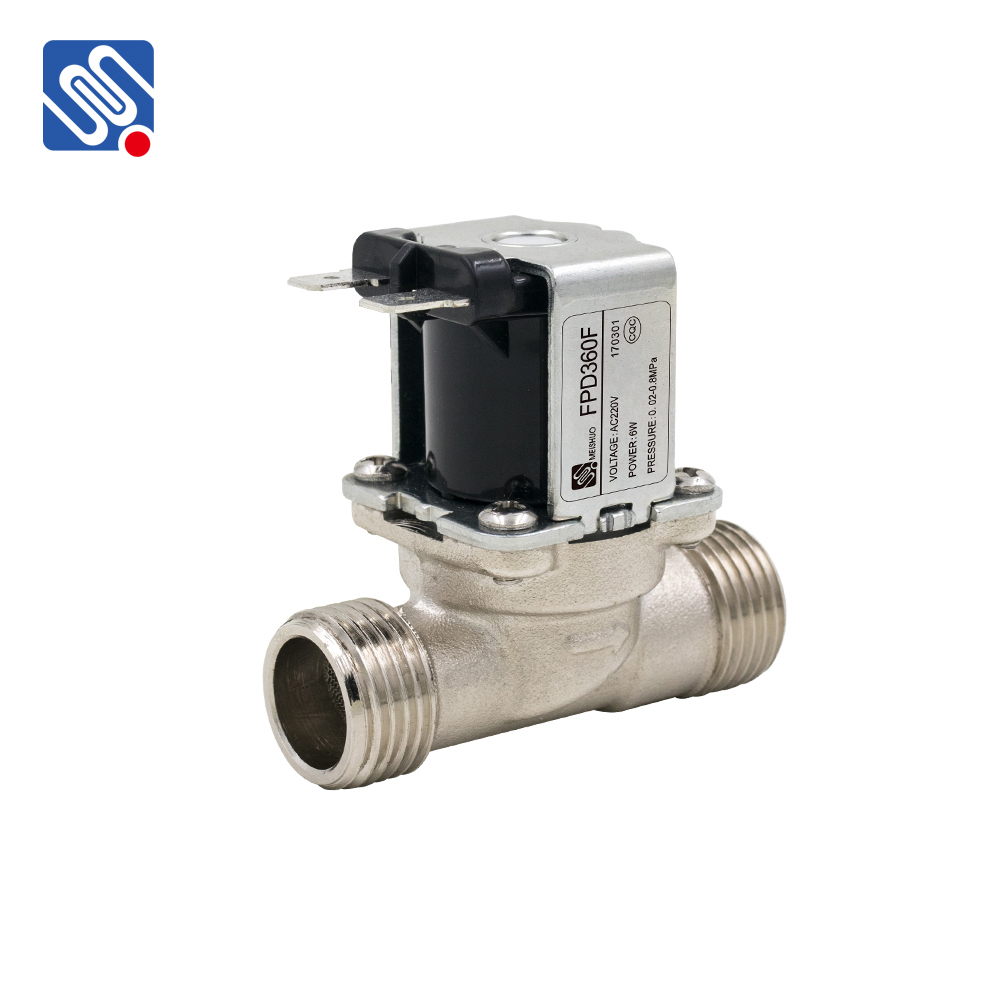
What is a Direct Acting Solenoid Valve? A direct acting solenoid valve operates through the mechanical actuation of a solenoid. Unlike pilot-operated valves that rely on pressure differentials to open or close, direct acting solenoid valves function independently of system pressure. This feature enables them to be effective in applications with low pressures or even in vacuum environments. Design and Operation The basic design of a direct acting solenoid valve consists of several key components: the solenoid coil, valve body, diaphragm or plunger, and spring. When electrical current passes through the solenoid coil, it generates a magnetic field that attracts the plunger or diaphragm. This movement of the plunger either opens or closes the valve, allowing or restricting the flow of fluid or gas.