In various industrial and commercial applications, efficient fluid control is paramount. One of the critical components that facilitate this control is the Direct Acting Solenoid Valve. This type of valve plays an essential role in numerous systems, from HVAC units to automated machinery, due to its unique operational principles and versatile applications. This article delves into the working mechanism, applications, and advantages of Direct Acting Solenoid Valves, providing a comprehensive overview for engineers, technicians, and anyone interested in fluid control technology.
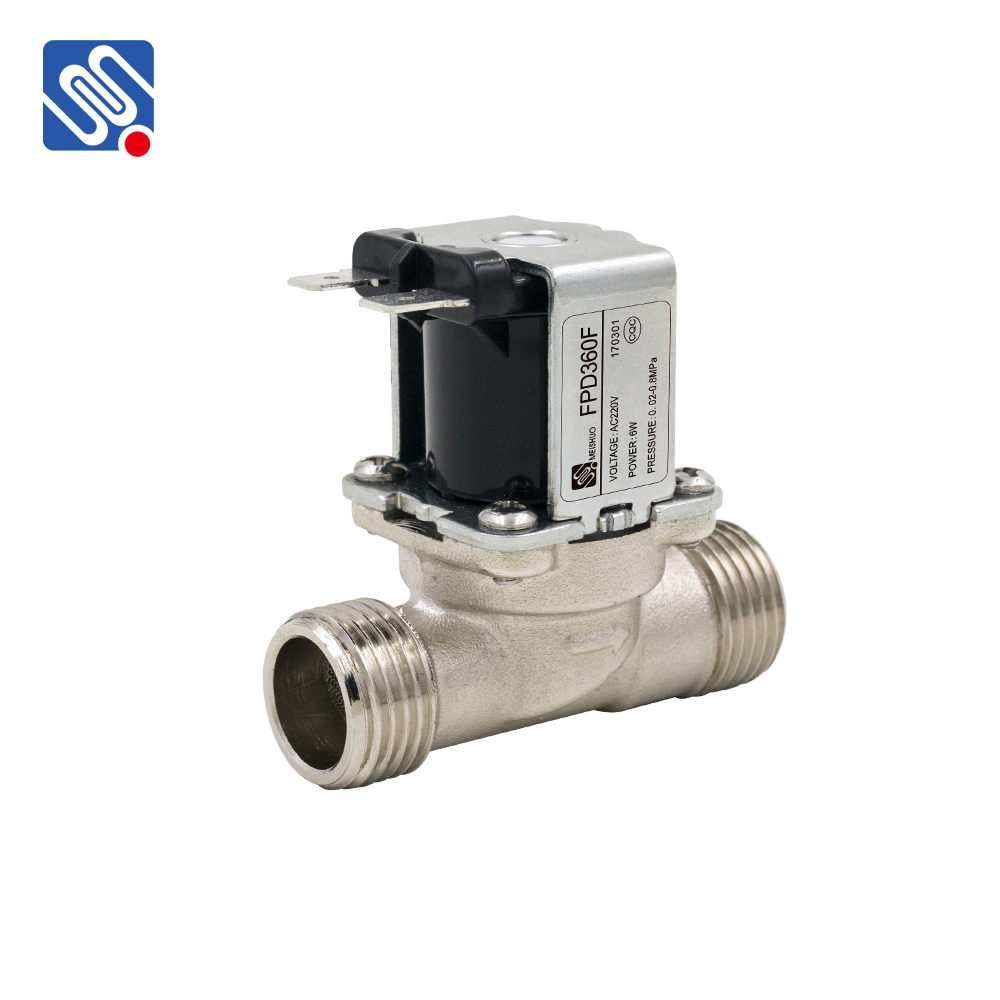
Working Mechanism of Direct Acting Solenoid Valves A Direct Acting Solenoid Valve operates based on the principles of electromagnetism. The valve consists of a solenoid coil, a movable plunger (or armature), a spring, and a valve body through which the fluid flows. When an electrical current passes through the solenoid coil, it generates a magnetic field that attracts the plunger. This movement either opens or closes the valve, allowing or stopping fluid flow. The spring helps restore the plunger to its initial position when the voltage is removed. This design enables the solenoid valve to function without needing differential pressure, making it particularly effective for smaller flow rates.