In the realm of electronics and automation, the Dual Relay Module stands out as a crucial component, allowing for the seamless control of high-voltage appliances using low-voltage signals. This versatile device serves not only hobbyists and DIY enthusiasts but also plays a pivotal role in industrial applications and home automation systems. In this article, we will delve into the workings, features, applications, and considerations of the Dual Relay Module, making it an essential read for anyone looking to integrate this technology into their projects.
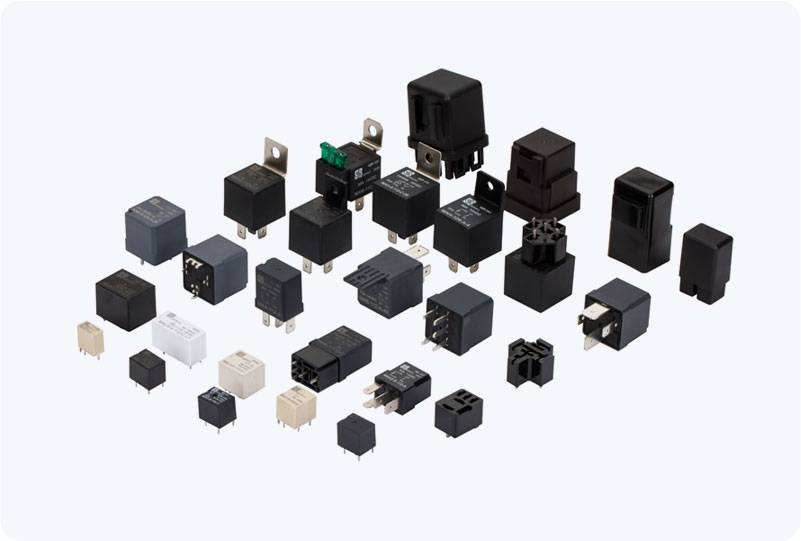
What is a Dual Relay Module? A Dual Relay Module is a printed circuit board (PCB) that hosts two electromagnetic relays, devices that use a low power signal to control a higher power circuit. The module typically operates at 5V, which is compatible with microcontrollers like Arduino and Raspberry Pi. Each relay has common (COM), normally open (NO), and normally closed (NC) terminals, allowing users to connect and control various electrical loads easily. How Does It Work? The functionality of a Dual Relay Module is quite straightforward. When a low voltage signal is applied to the control pins (usually labeled IN1 and IN2), the corresponding relay activates, closing the circuit and allowing current to flow through the load connected to the COM and NO terminals. Conversely, when the signal is low, the relay returns to its rest state, opening the circuit. This on-off control mechanism can manage devices like lamps, motors, and other high-wattage appliances safely and efficiently.