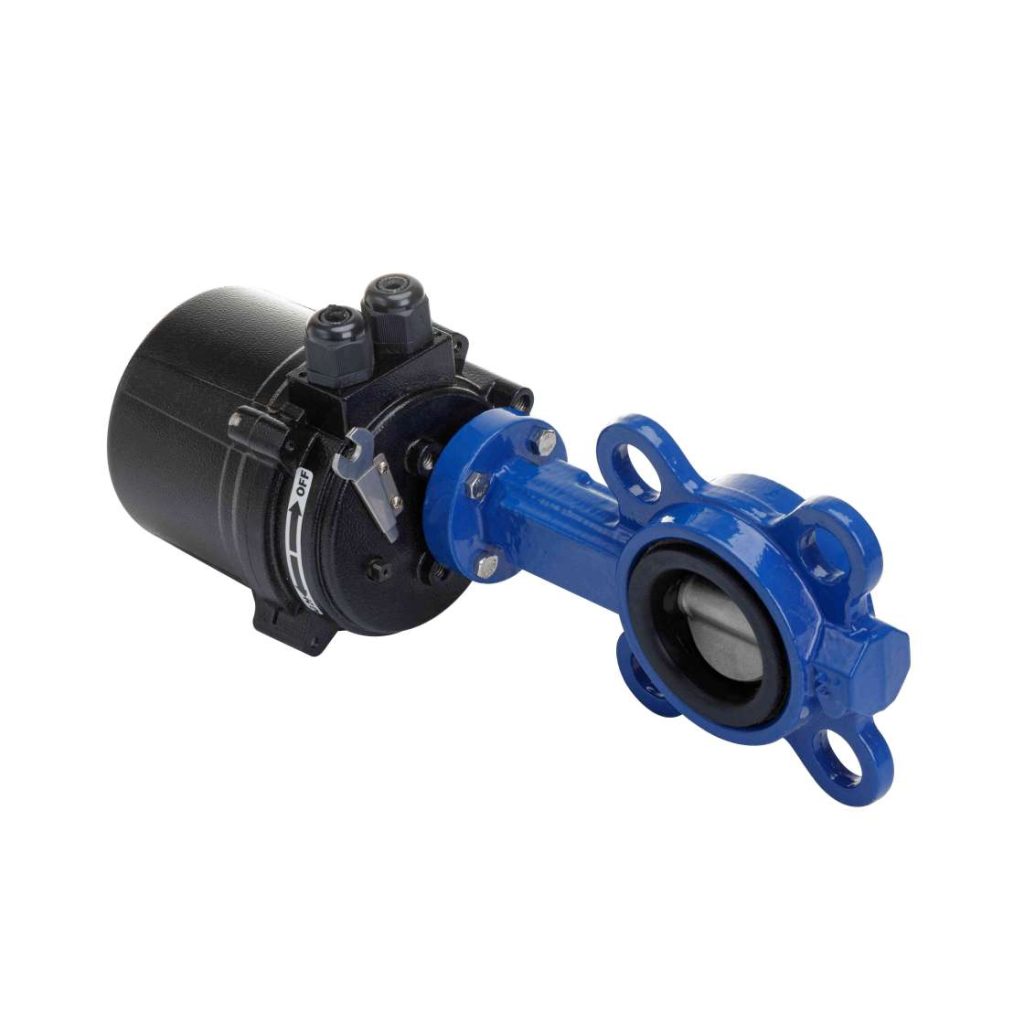
The electric butterfly valve is a critical component in modern fluid control systems, offering a combination of efficiency, precision, and ease of operation. Widely used in industries ranging from water treatment to chemical processing, the electric butterfly valve provides an effective means of regulating flow, pressure, and temperature. This article explores the features, applications, and advantages of the electric butterfly valve, highlighting its importance in various industrial sectors.
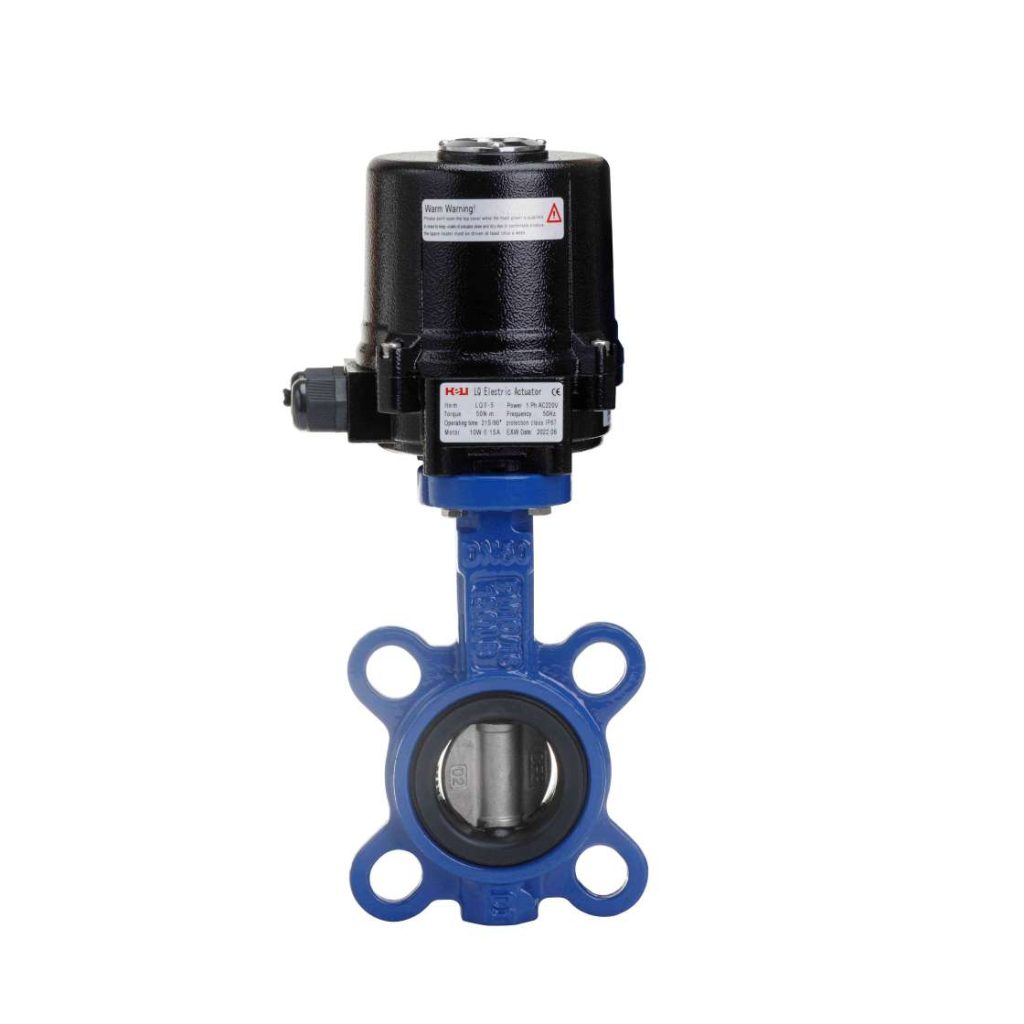
What is an Electric Butterfly Valve?
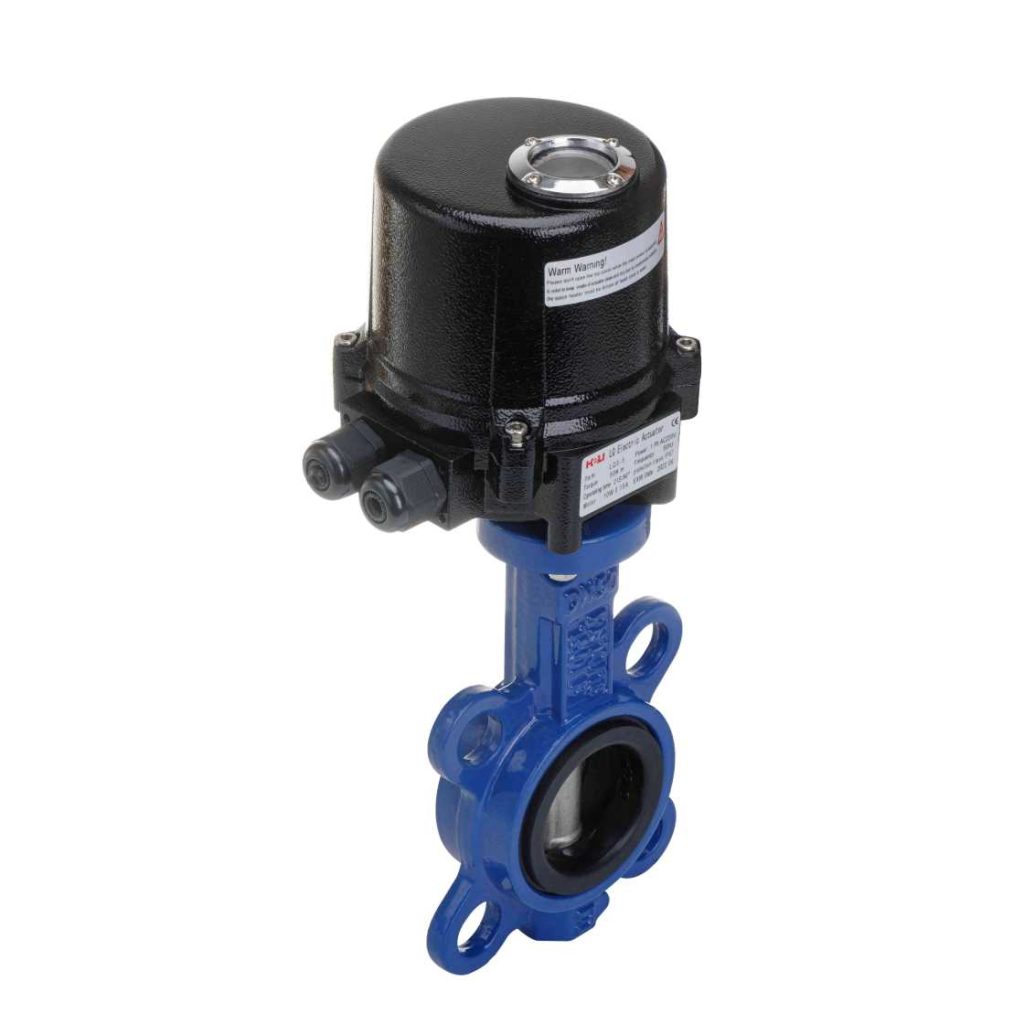
An electric butterfly valve is a type of valve that uses an electric actuator to operate a disc that regulates the flow of liquids or gases through a pipe. The valve consists of a round disc mounted in the center of a pipe, which can rotate 90 degrees to either allow or block the flow of material. When the valve is open, the disc is aligned with the pipe, allowing fluids to flow freely. When closed, the disc is perpendicular to the flow path, blocking the passage and halting the fluid flow.
The electric actuator is the heart of the electric butterfly valve, and it uses an electric motor to rotate the valve disc. This actuator can be controlled remotely or through automated systems, making it a highly efficient and convenient option for managing flow in systems where manual operation is impractical.