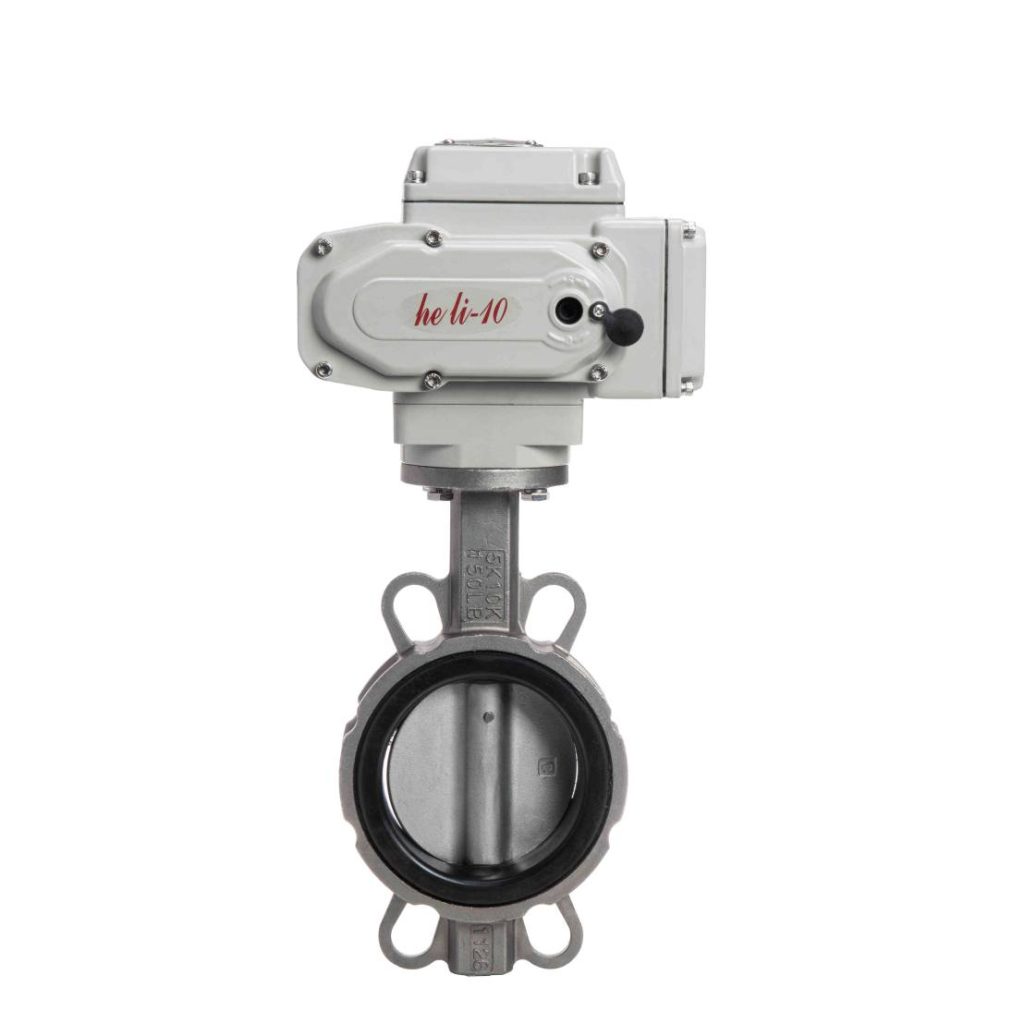
The Electric Clamp Butterfly Valve is a sophisticated, automated valve solution that combines the efficiency of butterfly valves with the precision and control offered by electric actuators. Widely used in industrial systems where fluid control is paramount, this valve type has gained popularity due to its ability to deliver both reliable performance and ease of use. In this article, we will explore the fundamental characteristics, applications, advantages, and maintenance considerations for Electric Clamp Butterfly Valves.
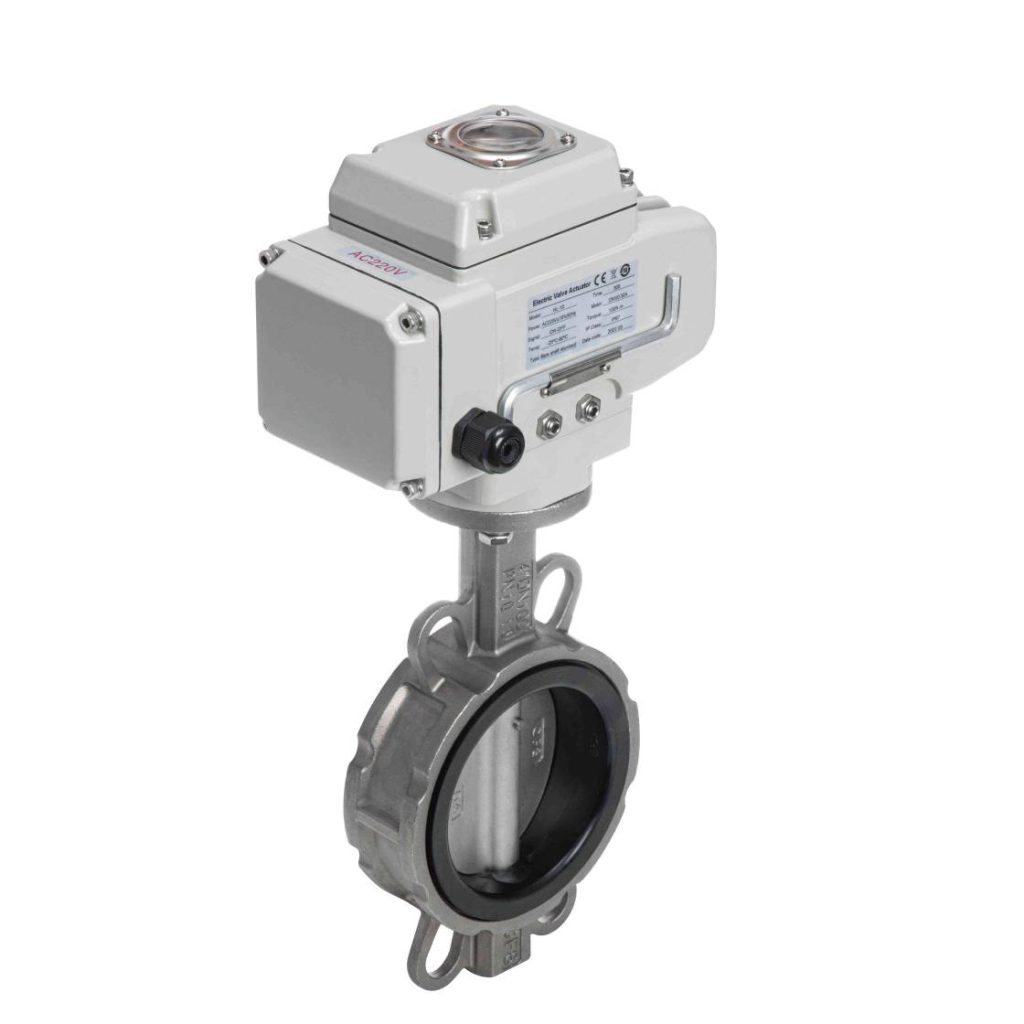
What is an Electric Clamp Butterfly Valve?
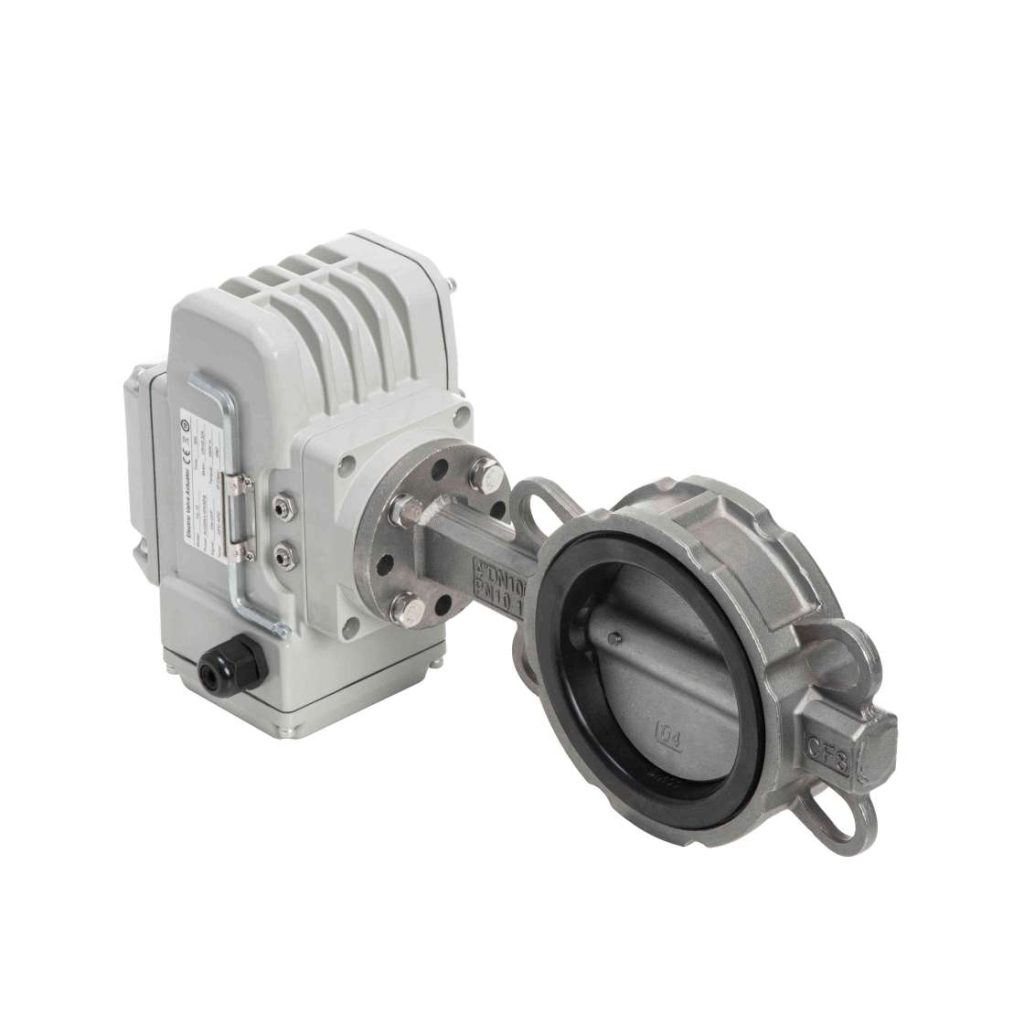
An Electric Clamp Butterfly Valve consists of two primary components: the butterfly valve body and an electric actuator. The butterfly valve, a quarter-turn valve, controls the flow of fluids (liquids or gases) by rotating a circular disc or “butterfly” to either block or allow passage through a pipe. The “electric” part of this valve refers to the electric actuator that automates the valve’s operation. The actuator is typically powered by an electric motor and can be controlled remotely via a control signal (e.g., 4-20mA, or digital control systems). The term “clamp” in this context refers to the method of attachment, wherein the valve is typically clamped onto the pipeline using a specially designed connection system. This ensures that the valve is securely held in place while providing a reliable seal to prevent leaks. Together, these features make the Electric Clamp Butterfly Valve an efficient, cost-effective, and reliable solution for many different industrial applications.