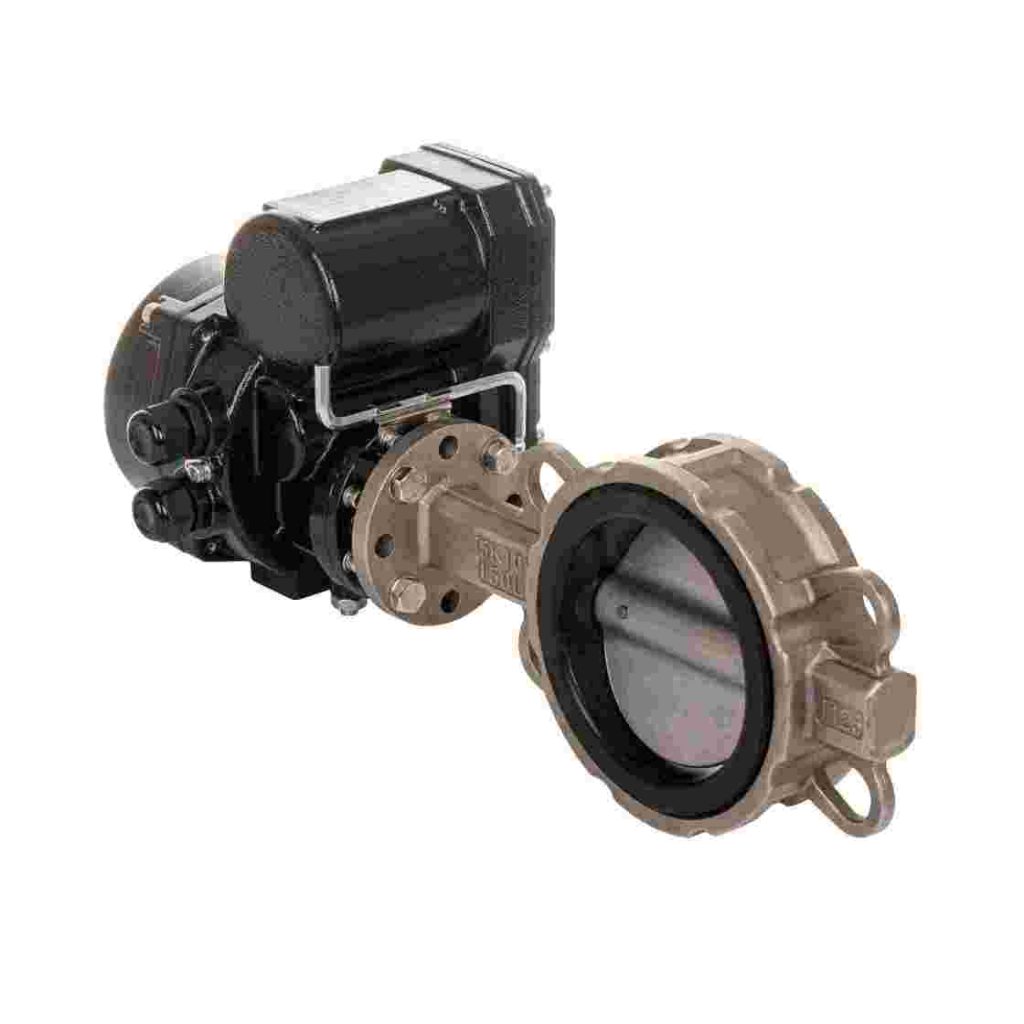
The Electric Flanged Soft Seal Butterfly Valve is a popular and versatile component in modern fluid control systems. Combining the benefits of a butterfly valve’s compact design with the power of electric actuation and soft sealing technology, this valve is widely used in various industries, including water treatment, chemical processing, and power generation. In this article, we will explore the key features, advantages, applications, and operational benefits of the electric flanged soft seal butterfly valve.
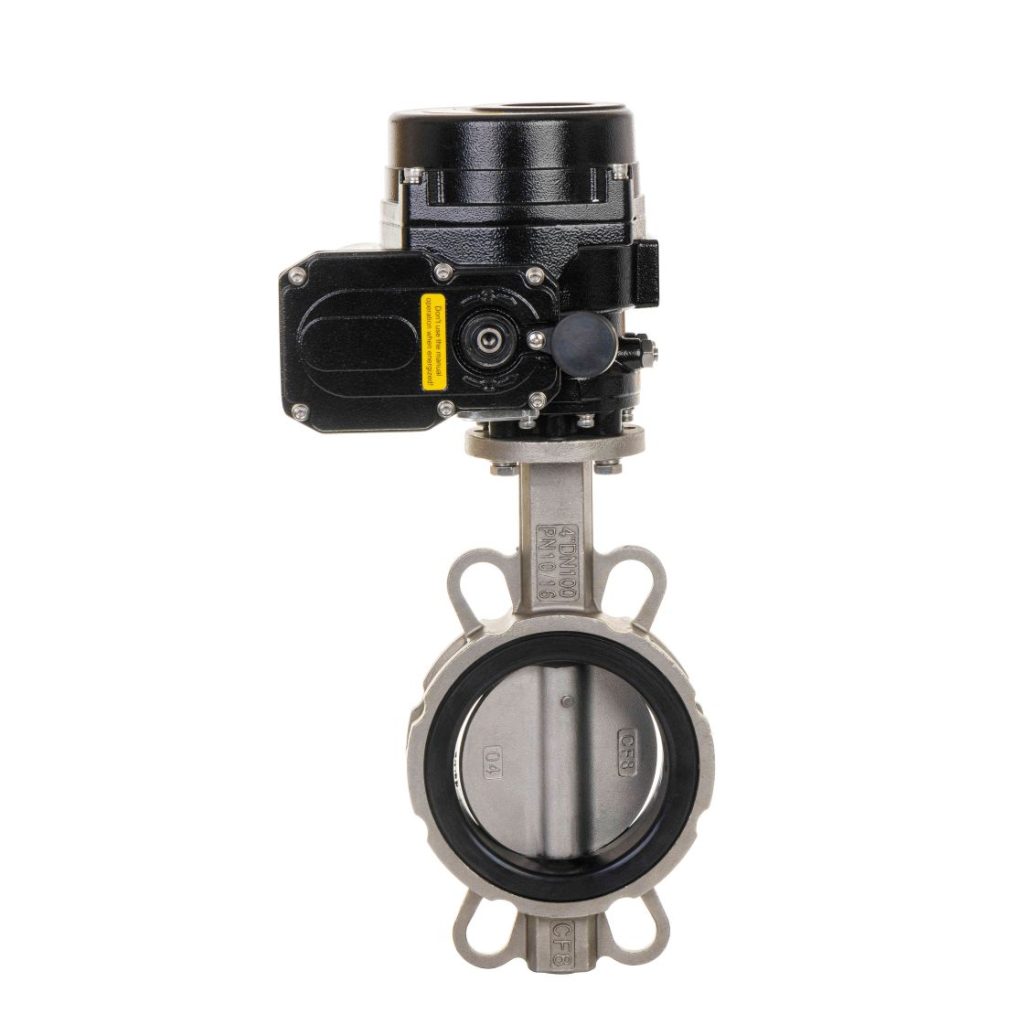
Key Features of the Electric Flanged Soft Seal Butterfly Valve
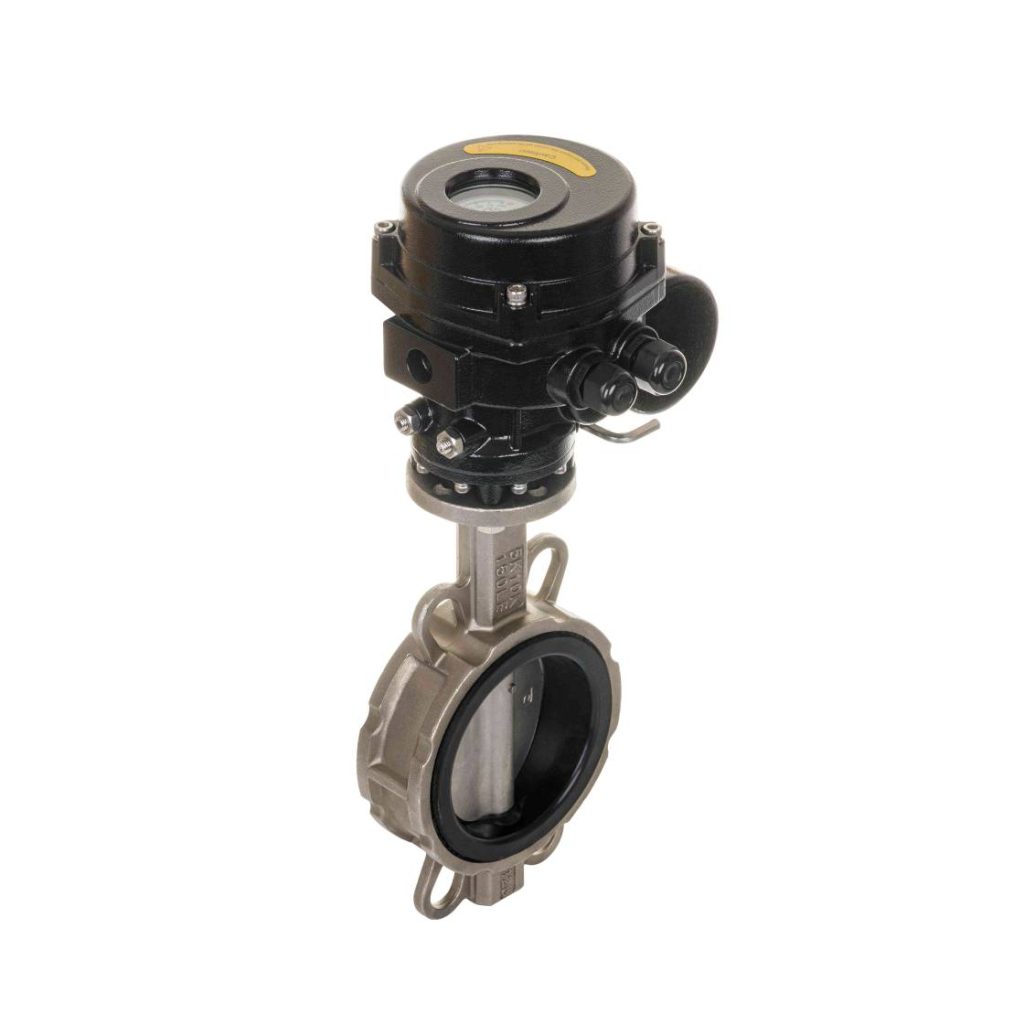
An electric flanged soft seal butterfly valve operates through an electric actuator that controls the movement of the valve’s disc or butterfly. This actuator receives an electrical signal, which it converts into mechanical motion to open or close the valve, making it a critical component in automated control systems. The valve’s “soft seal” refers to its sealing mechanism, which typically uses elastomeric materials such as rubber or synthetic polymers, ensuring a tight and reliable seal under various pressure conditions. 1. Electric Actuation: The key feature of this valve is its electric actuator, which allows for remote operation. This is especially useful in systems where manual valve operation is impractical or unsafe. The electric actuator can be controlled via a control panel or integrated with a larger process control system for automated operation.