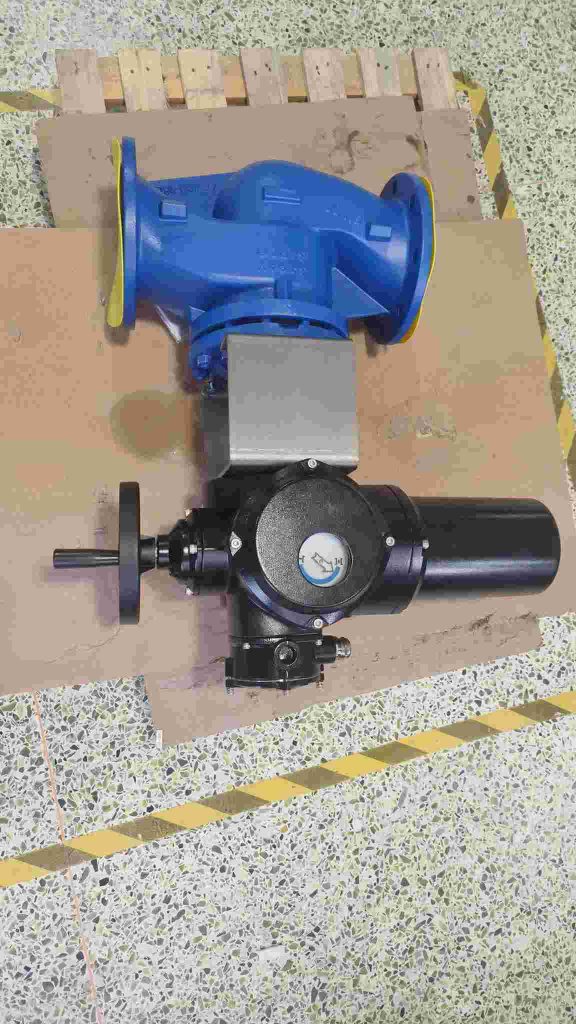
The Electric Globe Valve is a vital component in many industrial systems, offering precise flow control and enabling automation in fluid regulation. This valve is commonly used in processes that require accurate and reliable flow control, including chemical, petrochemical, water treatment, and HVAC systems. Unlike manual valves, the Electric Globe Valve is operated through an electric actuator, allowing for remote control and automation. This article will explore the key features, applications, and advantages of the Electric Globe Valve.
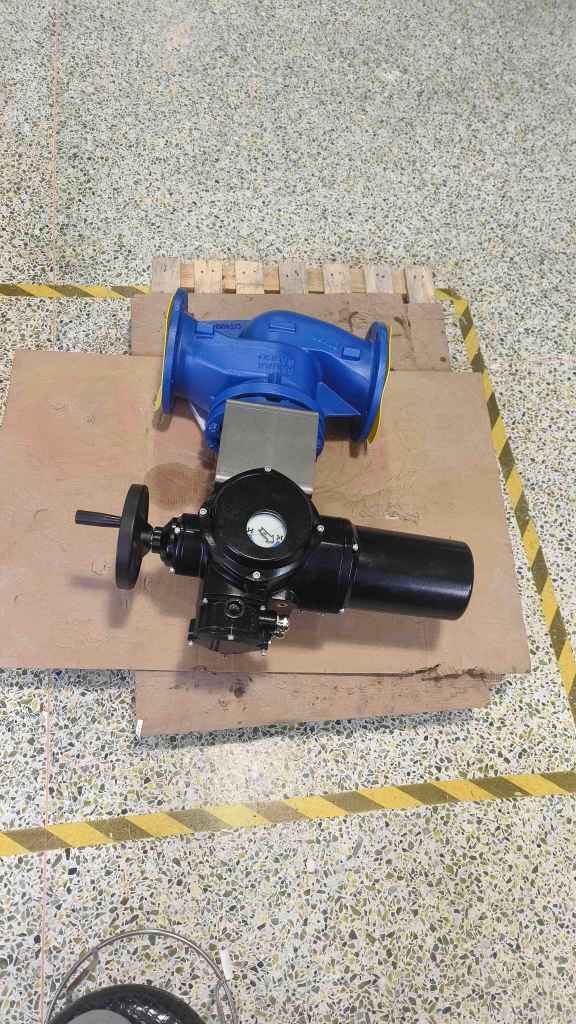
Key Features of the Electric Globe Valve
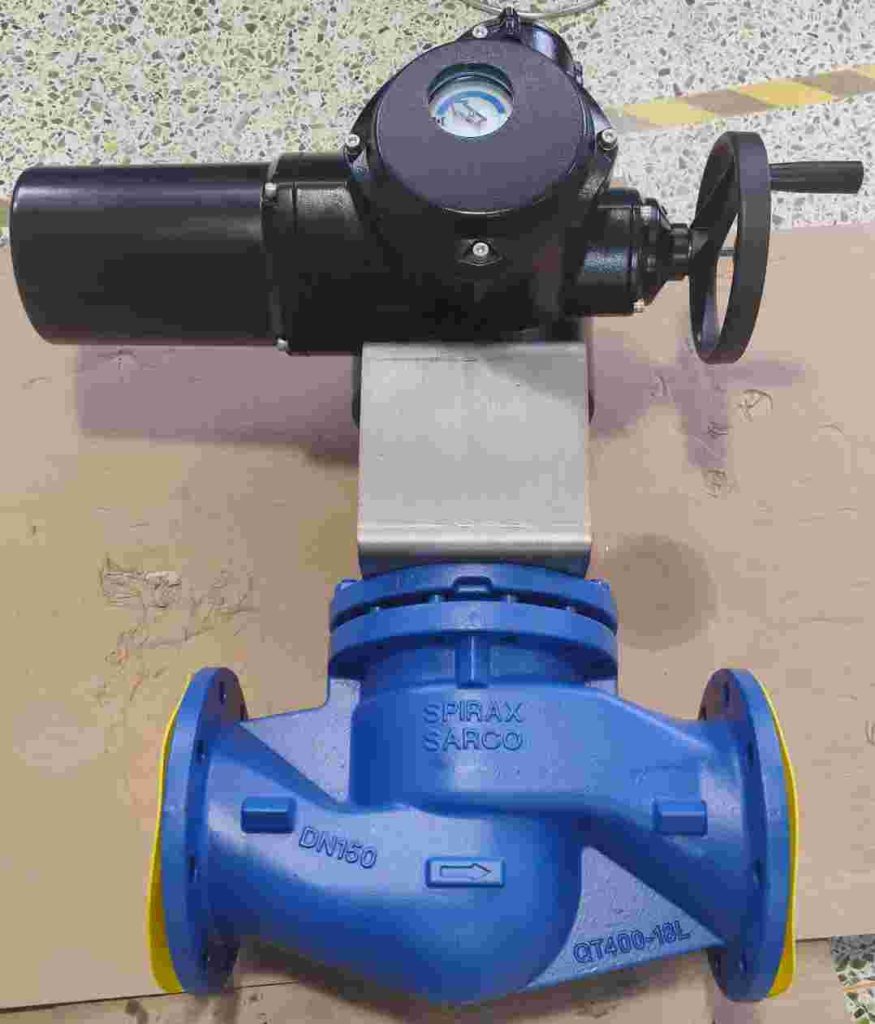
An Electric Globe Valve consists of a valve body, a valve seat, a valve disc (or globe), and an electric actuator. The actuator is responsible for adjusting the valve’s position, which in turn regulates the flow of fluid through the system. These valves are designed to offer precise flow regulation by altering the position of the valve disc relative to the valve seat. Electric Actuation: The valve is equipped with an electric actuator, which converts electrical energy into mechanical motion to open or close the valve. The actuator typically operates through an electric motor, connected to a gearbox that provides the necessary torque to move the valve stem.