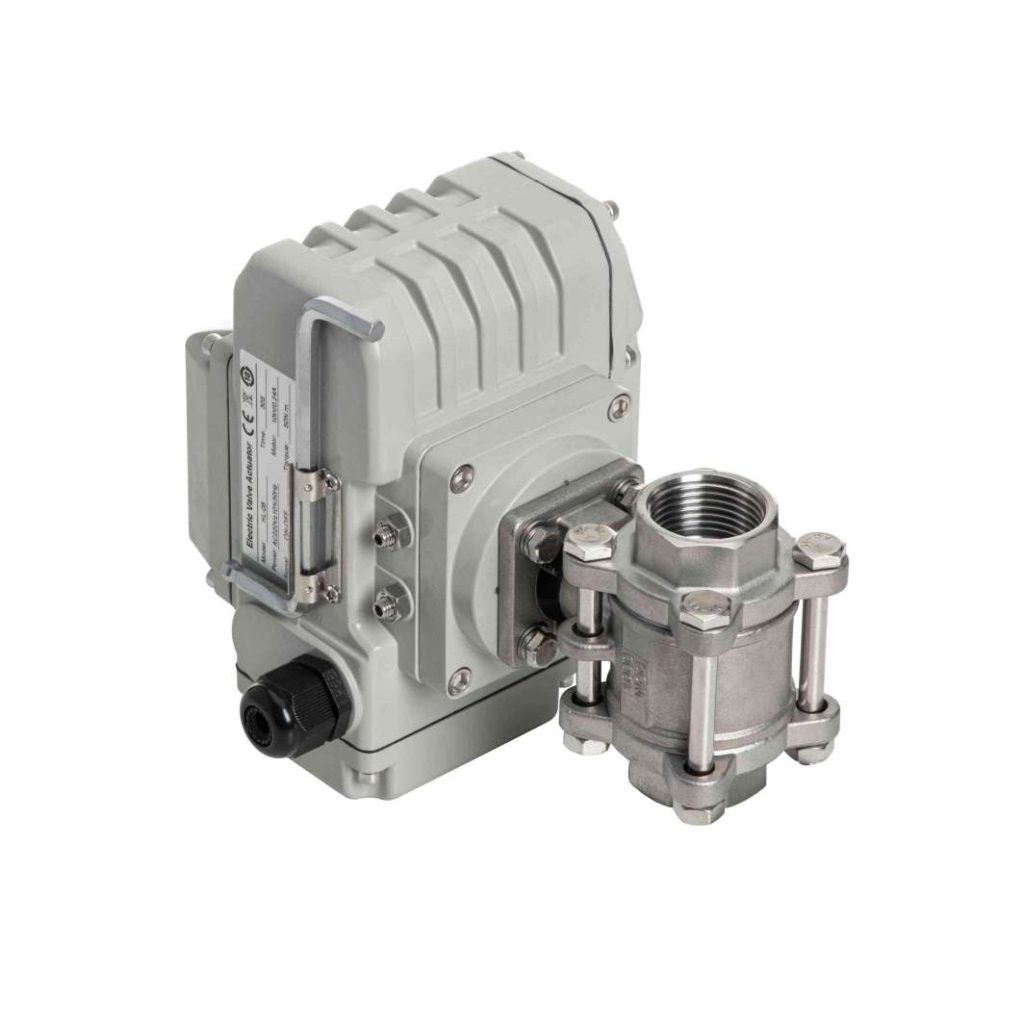
In today’s advanced industrial landscape, precise fluid control is vital for a range of applications. One innovative solution that has gained significant popularity is the Electric Screw Ball Valve. This valve combines a powerful electric actuator with a ball valve mechanism, offering enhanced control, reliability, and automation for fluid management systems. In this article, we’ll explore the structure, working principles, advantages, and applications of the Electric Screw Ball Valve, illustrating why it has become a preferred choice in various industries.
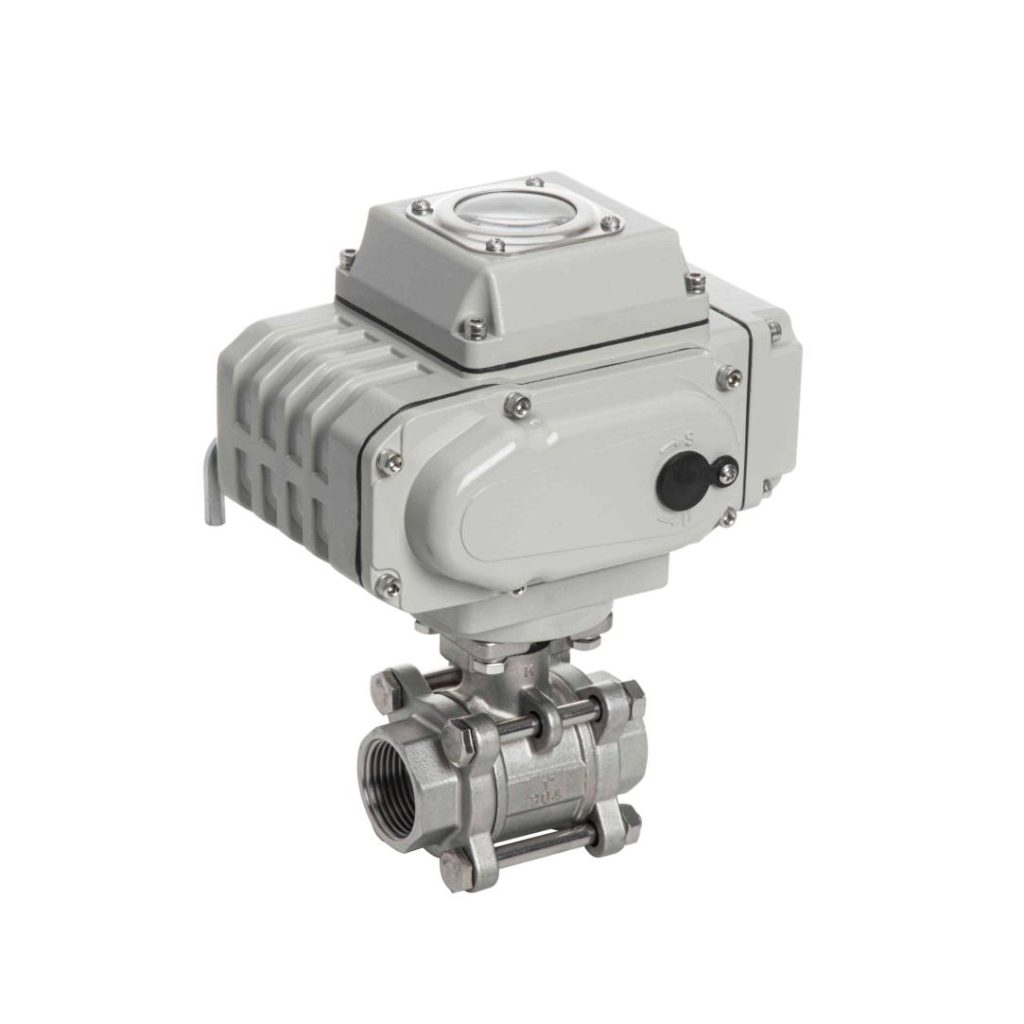
Structure and Working Principle
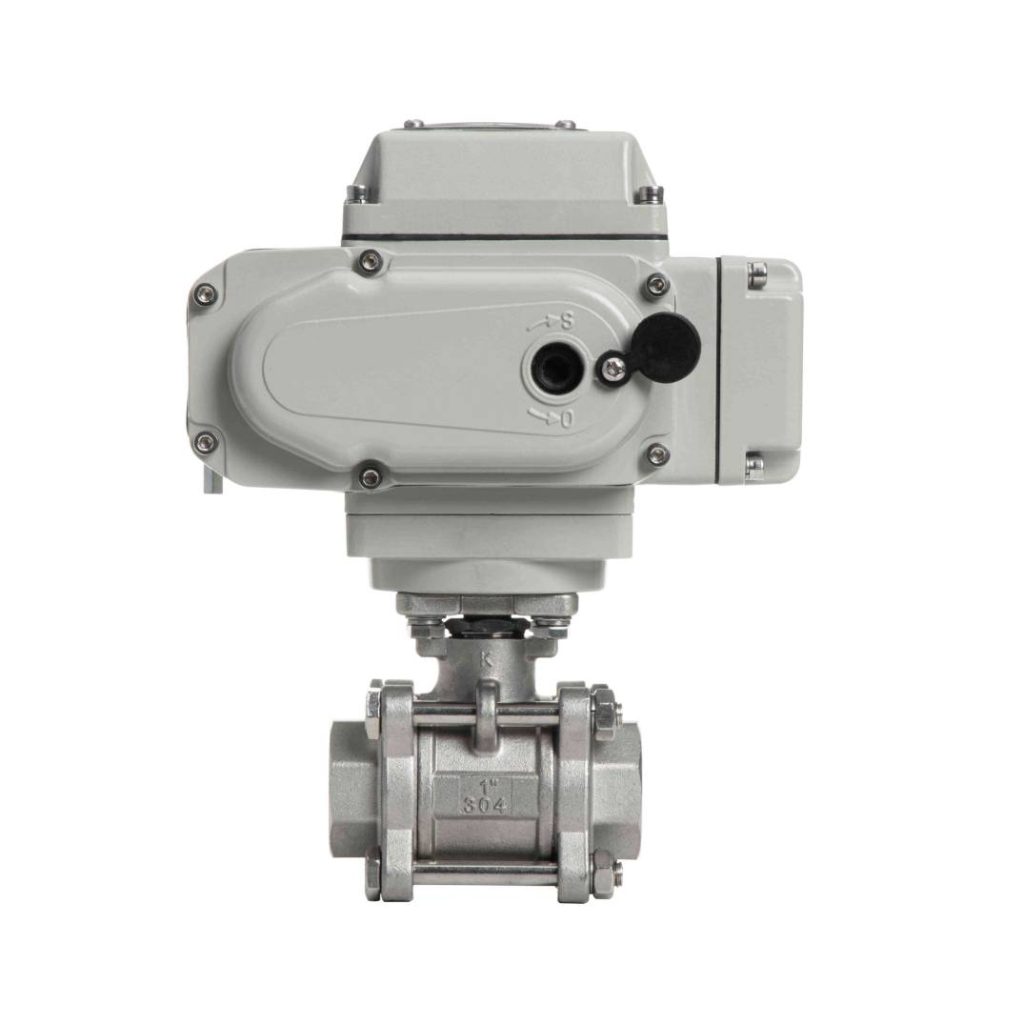
The Electric Screw Ball Valve is comprised of three main components: the valve body, the ball, and the electric actuator. The valve body houses the ball and provides the connection points for piping systems. The ball contains a hole through which the fluid passes. This design allows for quick and effective opening and closing of the valve. The operation begins when an electric signal is sent to the actuator, which translates this signal into mechanical movement. The electric actuator typically uses a stepper or servo motor, which rotates the ball either fully open or fully closed, depending on the required flow of fluid. Some models also offer intermediate positions for throttling, allowing for precise flow control.