Electric two-seat regulating valves are crucial components in modern industrial systems, offering precise control over fluid or gas flow. These valves are designed to provide continuous modulation of flow rates, unlike simple on/off valves, making them essential in processes that require detailed regulation and stability. This article explores the functionality, design, advantages, and applications of electric two-seat regulating valves, shedding light on their importance in various industries.
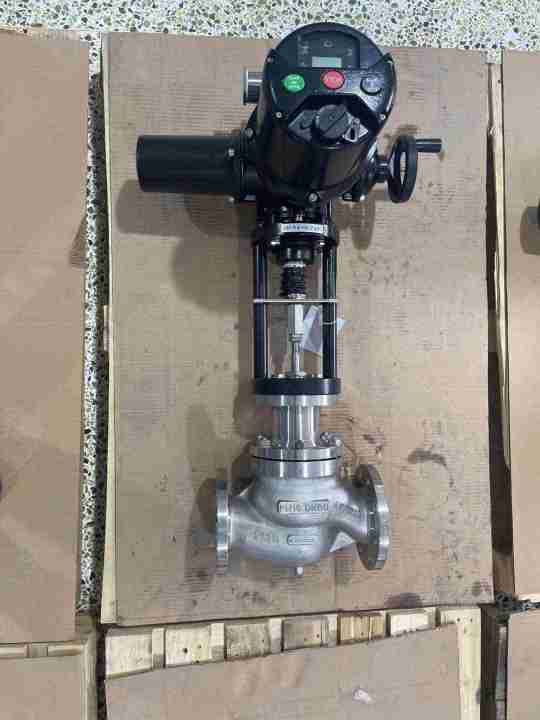
What is an Electric Two-Seat Regulating Valve? An electric two-seat regulating valve is an advanced valve type that uses an electric actuator to control the position of a valve stem, which in turn adjusts the flow of liquids or gases through a system. The “two-seat” designation refers to the valve’s design, which includes two sealing points or seats. This dual-seat configuration enhances the valve’s ability to regulate flow precisely and prevents leakage, offering improved performance and reliability. The actuator, which is the driving force of the valve, receives an electrical signal, typically from a control system such as a PLC (Programmable Logic Controller) or DCS (Distributed Control System). Based on this input, the actuator moves the valve stem to adjust the position of the two valve seats, thereby controlling the flow rate. The electric actuator allows for remote operation, providing automation and reducing the need for manual intervention.