The electromechanical relay (EMR) is a versatile and fundamental device widely used in various electrical and electronic applications. By employing electromagnetic principles, this switch-like component allows a small electrical current to control a larger current, making it an integral part of modern circuits. From household appliances to industrial machinery, the electromechanical relay serves various functions, showcasing its importance and utility in today’s technological landscape.
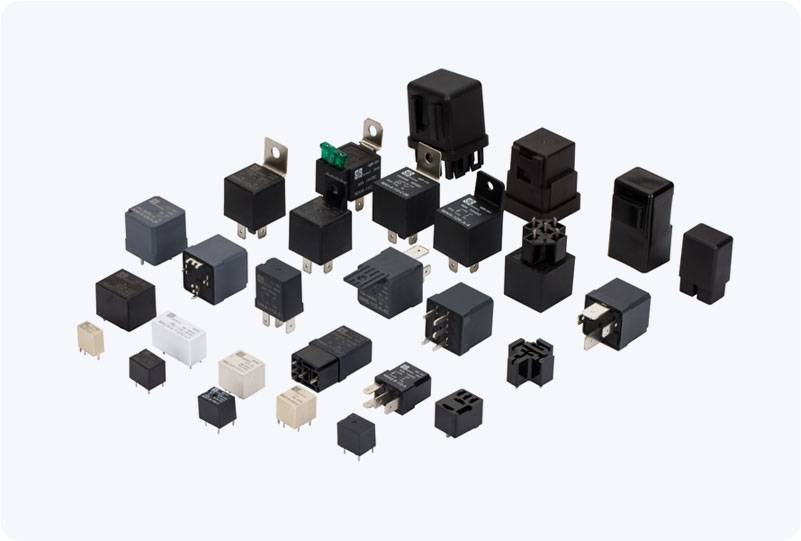
Working Principle At its core, the electromechanical relay operates on the principle of electromagnetism. It consists of several primary components, including a coil, an armature, contact points, and a spring mechanism. When an electric current flows through the coil, it generates a magnetic field that attracts the armature, causing it to move. This movement opens or closes the contact points, effectively controlling the flow of electricity in the connected circuit. The contact points can be configured in various ways. A single-pole single-throw (SPST) design is used for basic on/off switching applications. The single-pole double-throw (SPDT) and double-pole double-throw (DPDT) configurations allow more complex switching and routing of electrical signals. These various configurations make electromechanical relays suitable for diverse applications.