The electromechanical switch, a fundamental component in various electrical and industrial systems, is a hybrid device that combines mechanical and electrical principles. Unlike purely electronic switches, electromechanical switches rely on physical moving parts to open or close electrical circuits. This unique design allows them to manage higher electrical loads and provides them with greater durability in specific applications. This article explores the electromechanical switch, its functionality, types, advantages, and applications.
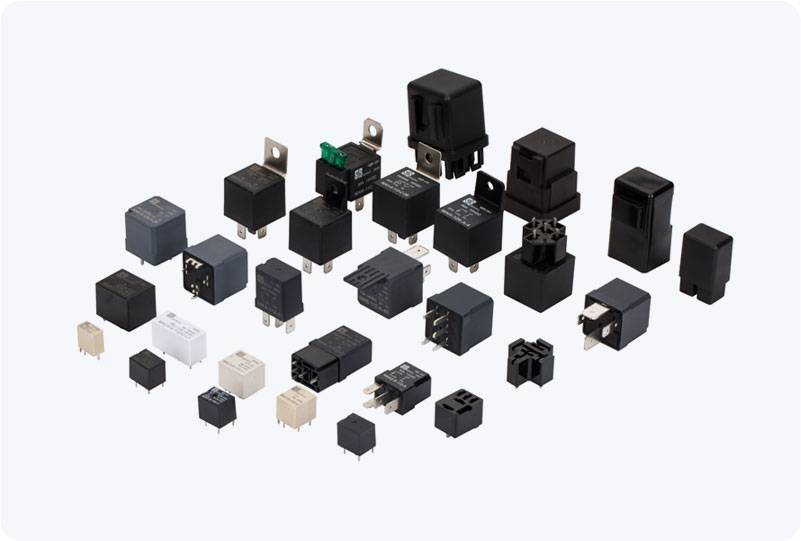
What is an Electromechanical Switch? An electromechanical switch is a type of switch that uses mechanical motion to control electrical circuits. It typically consists of two primary components: a mechanical actuator and electrical contacts. The mechanical actuator is responsible for physically changing the state of the switch, either opening or closing the electrical circuit. The contacts are the conductive elements that make or break the connection, allowing current to flow when closed and stopping it when open. These switches come in various designs, each suited for different operational needs. Some common designs include push-button switches, toggle switches, rotary switches, and limit switches. The defining feature of these switches is the mechanical movement of their parts, which distinguishes them from purely electronic switches like semiconductor-based transistors.