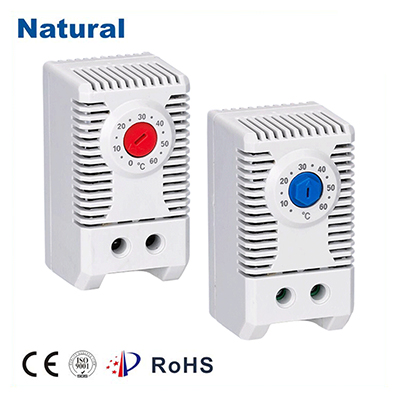
A bimetal thermostat is a simple yet essential device used for temperature regulation across a wide range of applications. It operates on a straightforward principle involving the differential expansion of two metals, providing a reliable solution for controlling temperature in various electronic and mechanical systems. In this article, we will explore the working principle of bimetal thermostats, their applications, advantages, and limitations, along with their role in improving device safety and efficiency.
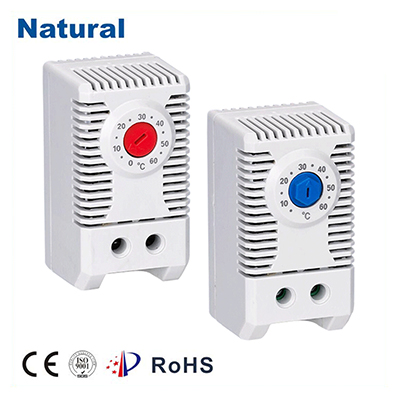
What is a Bimetal Thermostat?
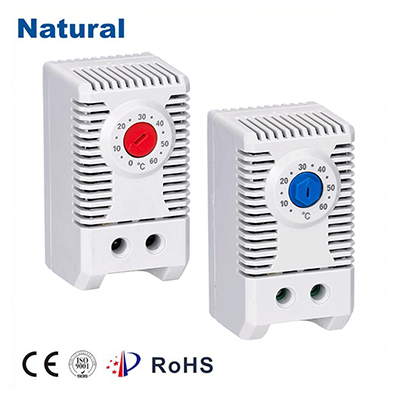
At its core, a bimetal thermostat is made from two strips of different metals that are bonded together. These metals have different coefficients of expansion, meaning they expand and contract at different rates when subjected to changes in temperature. The most common metals used in these thermostats are brass and steel, but other combinations can be found depending on the required thermal sensitivity and durability. When the temperature rises, the metal with the higher expansion rate will stretch more than the other, causing the bimetal strip to bend. This bending action is used to activate or deactivate a switch that controls the operation of the device. This mechanism is both simple and effective, making bimetal thermostats popular in applications where precise temperature control is required, but the technology is not excessively complex or costly.