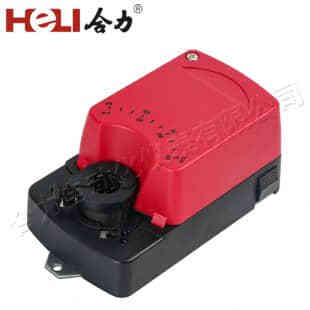
Damper actuators play a crucial role in controlling the movement of dampers within ventilation, air conditioning, and smoke control systems. These devices enable the adjustment of airflow, pressure, and direction by regulating the position of a damper. This article will explore the significance, types, working principles, and applications of damper actuators, shedding light on their essential function in modern HVAC systems and industrial processes.
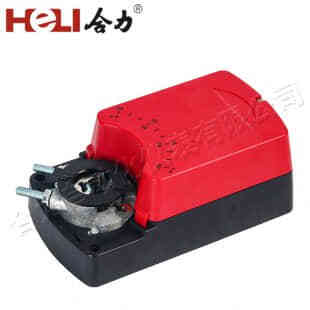
What is a Damper Actuator?
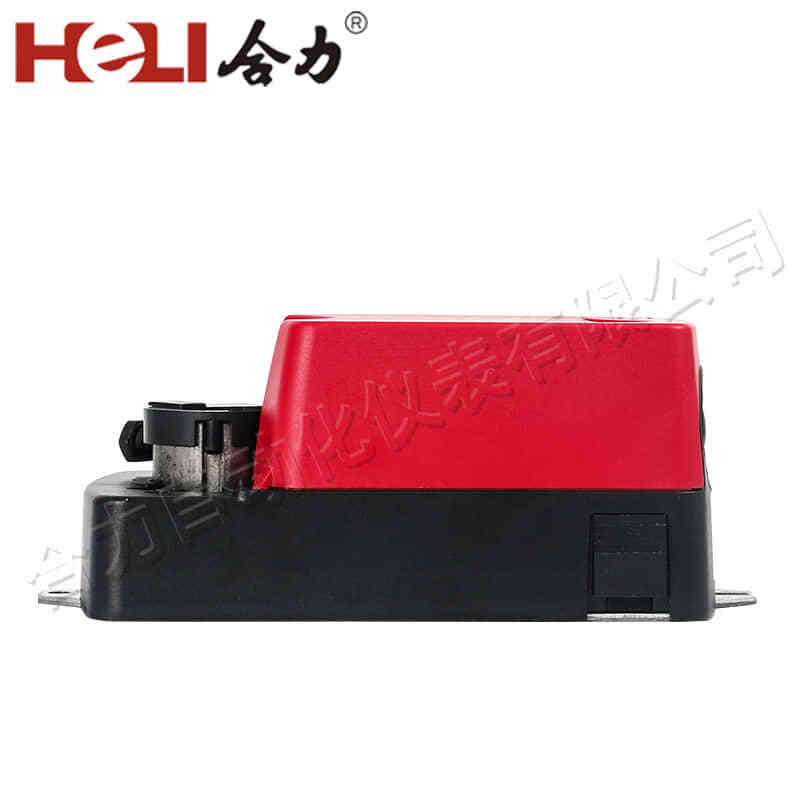
A damper actuator is a device used to automatically control the opening and closing of a damper. A damper is essentially a valve or plate within an air duct, ventilation system, or chimney that regulates the flow of air, smoke, or gas. The actuator works by driving the damper’s blades to open or close, either fully or partially, based on a specific set of conditions. The actuator’s primary function is to maintain control over the air distribution, enabling systems to respond to changes in temperature, airflow, or pressure. Components of a Damper Actuator Typically, a damper actuator consists of several key components: