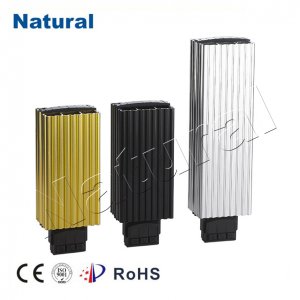
Element heaters, often known as electric heating elements, are crucial components in various heating systems. These devices convert electrical energy into thermal energy through the principle of electrical resistance, which makes them indispensable in numerous household and industrial applications. From household appliances to manufacturing machinery, element heaters are widely used for their efficiency and versatility. This article delves into the functionality, types, and applications of element heaters, providing a comprehensive understanding of their role in modern technology.
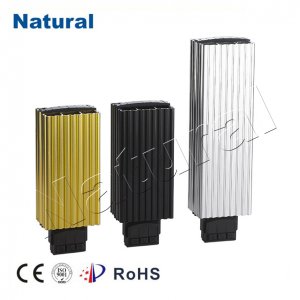
Functionality of Element Heaters
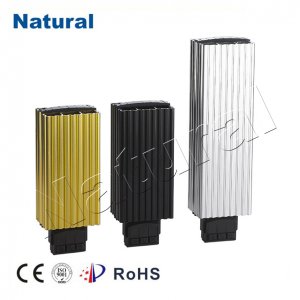
The core principle behind an element heater is the Joule effect, where an electrical current flows through a conductor (usually a metal or alloy), causing it to resist the flow of electricity. This resistance generates heat, which is then transferred to the surrounding environment. The temperature generated depends on the material’s resistance and the amount of current flowing through it. The heated element can then be used to transfer energy to the medium being heated, whether it’s air, water, or another material. A typical element heater consists of a resistance wire (often made from materials such as nichrome, a nickel-chromium alloy) wound into a coil. This wire is then enclosed in a protective housing or insulation. The material’s resistance and the surface area of the heating element directly affect the heat output. Most element heaters are designed to operate under controlled conditions, where their temperature can be adjusted using thermostats or controllers to ensure safe and efficient operation.